अरुणाचल प्रदेश के उगते सूर्य की भूमि में, चांगलांग जिले में दियुन है, जो ज्यादातर चकमा समुदाय, एक थेरवाद बौद्ध समुदाय, जो अपनी समृद्ध सांस्कृतिक विरासत और शुद्ध पारंपरिक बौद्ध संस्कृति पर बहुत गर्व लेता है, में बसा हुआ है। चकमा भारत में सबसे बड़ा बौद्ध समुदाय है। प्राचीन काल से, चकमा लोग थेरवाद बौद्ध धर्म के अनुयायी हैं, जो दावा करते हैं कि शाक्य जाति से उत्पन्न हुआ था जिसमें गौतम बुद्ध का जन्म हुआ था। कपटाई बांध के धार्मिक उत्पीड़न और निर्माण के कारण, अपने अधिकारों, धर्म और संस्कृति के आश्रय और सुरक्षा की उम्मीद में चकमा NEFA (उत्तर पूर्वी सीमांत एजेंसी) अब अरुणाचल प्रदेश से पूर्वी पाकिस्तान (अब बांग्लादेश) में चले गए। चकमाओं की अपनी पहचान और समृद्ध संस्कृति है लेकिन इस दुर्भाग्य और प्रतिकूल परिस्थितियों ने उनकी स्थिति को बहुत दयनीय और दयनीय बना दिया है। जून 2014 में, चकमा ने अरुणाचल प्रदेश में 50 साल पूरे किए। दयनीय और दयनीय स्थितियों के बावजूद, चकमाओं ने थेरवाद बौद्ध धर्म के मूल रिवाज और परंपराओं को संरक्षित और संरक्षित किया है। यह बहुत दुर्भाग्यपूर्ण है कि अनादिकाल से ही थेरवाद के अनुयायी होने के नाते, ऐसी कोई बुद्ध प्रतिमाएँ या मठ नहीं हैं, जिन्हें देखकर मन में एक विश्वास या शांति का भाव उत्पन्न हो सके। यह भी बहुत दुखद है कि इस क्षेत्र में कोई अच्छा शैक्षणिक या धार्मिक शैक्षणिक संस्थान नहीं है जो आध्यात्मिक और आधुनिक शिक्षा दोनों प्रदान करता है। क्षेत्र में शैक्षिक अवसर पूरी तरह से अपर्याप्त हैं। बिना किसी सरकार के। बुनियादी सुविधाओं और शिक्षा, स्वास्थ्य देखभाल सेवाओं, सड़कों और स्वच्छ पेयजल जैसी अन्य बुनियादी मानव आवश्यकताओं के लिए समर्थन, चकमा शांति से रह रहे हैं, खुशी से और धम्म का अभ्यास कर रहे हैं। यद्यपि लोग बहुत सरल, विनम्र और भक्तिपूर्ण हैं, वे आर्थिक रूप से गरीब हैं, लेकिन जीवन की गुणवत्ता के मामले में बहुत समृद्ध हैं। जीवन की गुणवत्ता के मामले में समृद्ध माता-पिता अपने बच्चों द्वारा सम्मानित और सम्मानित होते हैं, अपराध की दर अपेक्षाकृत कम है, तलाक और आत्महत्या दुर्लभ हैं और सज्जनता, उदारता, आतिथ्य, सहिष्णुता और दूसरों के लिए सम्मान जैसे पारंपरिक मूल्य अभी भी मजबूत हैं। आर्थिक रूप से पिछड़े लेकिन शायद जीवन के उच्चतर गुण। अरुणाचल प्रदेश में चकमा समुदाय अभी भी जीवन में बने रहने के लिए कठिन संघर्ष कर रहा है। पारस्परिक मजबूत एकजुटता के साथ, चकमास जीवन के एक सामान्य तरीके को आगे बढ़ाने में कामयाब रहे। खराब स्थिति और शिक्षा, स्वास्थ्य देखभाल और सार्वजनिक संपत्ति के अधिकार जैसी बुनियादी मानवीय आवश्यकताओं के कारण, हम समाज में पीछे रह गए हैं। इसका असर उनकी घोर गरीबी में देखा जा सकता है।
🌷महागोविन्दसुत्त 🌷 Mahāgovinda Sutta
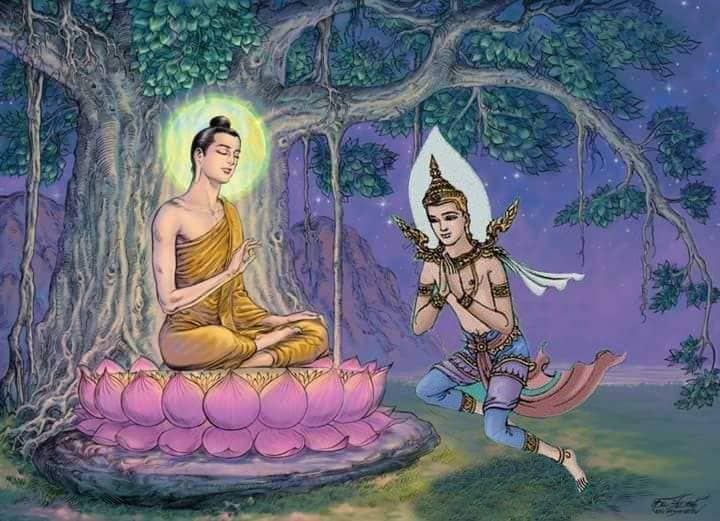
The Great Steward A Past Life of Gotama
(१-शक्र द्वारा बुद्धधर्म की प्रशंसा । २-बुद्ध के आठ गुण । ३ ब्रह्मा सनत्कुमार द्वारा बुद्धधर्म की प्रशंसा। ४-महागोबिन्द जातक। (१) महागोविन्द की दक्षता। (२) जम्बूद्वीप का सात राज्यों में विभाग। (३) ब्रह्मा का दर्शन। (४) महागोबिन्द का संन्यास । ५-बुद्ध धर्म की महिमा ।
THUS HAVE I HEARD.
ऐसा मैने सुना-एक समय भगवान् राजगृह के गृध्रकूट पर्वतपर विहार कर रहे थे। तब पञ्चशिख गन्धर्वपुत्र रात के चढ़ने पर देदीप्यमान शरीर से सारे गृध्रकूट पर्वत को प्रकाशित करके जहाँ भगवान् थे, वहाँ आया। आकर एक ओर खडा हो गया। यह बोला
“भन्ते ! मैंने जो त्रास्त्रिश देवों के मुंह से सुना है (और) जाना है, उसे आपसे कहता हूँ।’ भगवान्ने कहा-“तो पञ्चशिख ! मुझसे कहो।”
Once the Lord was staying at Rājagaha, on Vultures’ Peak. And when the night was nearly over, Pancasikha of the gandhabbas, lighting up the entire Vultures’ Peak with a splendid radiance, approached the Lord, saluted him, stood to one side and said: ‘Lord, I wish to report to you what I have personally seen and observed when I was in the presence of the Thirty-Three Gods.’ Tell me then, Pancasikha’, said the Lord.
१-शक्र द्वारा बुद्ध धर्म की प्रशंसा –
“भन्ते ! बहुत दिन व्यतीत हुए एक प्रवारणा (आश्विन पूर्णिमा) के उपोसथ की पञ्चदशी को पूर्णमासी की रात में सभी त्रायस्त्रिश देव सुधर्मा-सभा में बैठे थे। महती देव-परिषद् चारों ओर से बैठी थी। चारों दिशाओं से चारों महाराज भी आकर बैठे थे। भन्ते ! तब शक्र देवेन्द्र ने त्रायस्त्रिश देवताओं को प्रसन्न देखकर इन गाथाओं से अनुमोदन किया-“इन्द्र के साथ सभी० ॥१-४॥”
“भन्ते! इससे त्रायस्त्रिंश देव अत्यधिक प्रसन्न, संतुष्ट हो गये-‘देवलोक भर रहा है, असुरलोक क्षीण हो रहा है।’ भन्ते! तब शक्र देवेन्द्र ने त्रायस्त्रिंश देवों को प्रसन्न देख तावतिस देवों को संबोषित किया-‘मार्ष! क्या आप लोग उन भगवान्के आठ यथार्थ गुणों को सुनना चाहते हैं।’ ‘मार्ष! हम लोग उन भगवान्के आठ यथार्थ गुणों को सुनना चाहते हैं।’
‘Lord, in earlier days, long ago, on the fast-day of the fifteenth at the end of the Rains the Thirty-Three Gods assembled and rejoiced that the devas’ hosts were growing, the asuras’ hosts declining ,Then Sakka uttered the verse:
“The gods of Thirty-Three rejoice, their leader too, Praising the Tathāgata, and Dhamma’s truth, Seeing new-come devas, fair and glorious Who’ve lived the holy life, now well reborn. Outshining all the rest in fame and splendour, The mighty Sage’s pupils singled out. Seeing this, the Thirty-Three rejoice, their leader too,
Praising the Tathāgata, and Dhamma’s truth.” At this, Lord, the Thirty-Three Gods rejoiced still more, saying: “The devas’ hosts are growing, the asuras’ hosts are declining!”२-बुद्ध के आठ गुण “भन्ते ! तब शक देवेन्द्र ने तावतिंस (त्रायस्त्रिंश)देवोंसे भगवान्के आठ गुणों को कहा (१) ‘आप तावतिस देव लोग क्या जानते हैं कि भगवान् लोगों के हित के लिये । भगवान्को छोडकर। इस प्रकार के अंगों से युक्त शास्ता को हम लोगों ने आज तक पहले कभी नहीं देखा था। (२) “भगवान्का धर्म स्वाख्यात०’ है। उन भगवान्को छोडकर आज तक हम लोगों ने पहले इस प्रकार के स्वर्गप्रद धर्म का उपदेश देनेवाले, (तथा) इन अगों से युक्त शास्ता को नहीं देखा। (३) ‘यह अच्छा है’ इसे भगवान्ने ठीक ठीक बतलाया है। यह बुरा (अकुशल) है’ इसे । ‘यह निन्द्य, यह अनिन्द्य ‘ इसे । [Pancasikha continued:) ‘Then Sakka, seeing their satisfaction, said to the Thirty-Three Gods: “Would you like, gentlemen, to hear eight truthful statements in praise of the Lord?” and on receiving their assent, he declared: “What do you think, my lords of the Thirty-Three? As regards the way in which the Lord has striven for the welfare of the many, for the happiness of the many, out of compassion for the world, for the welfare and happiness of devas and humans – we can find no teacher endowed with such qualities, whether we consider the past or the present, other than the Lord. “Well-proclaimed, truly, is this Lord’s Teaching, visible here and now, timeless, inviting inspection, leading onward, to be realised by the wise each one for himself – and we can find no proclaimer of such an onward-leading doctrine, either in the past or in the present, other than the Lord. “The Lord has well explained what is right and what is wrong, what is blameworthy and what is blameless, what is to be followed and what is not to be followed, what is base and what is noble, what is foul, fair and mixed in quality.” And we can find none who is a proclaimer of such things… other than the Lord. उन भगवान्को छोड इस प्रकार के कुशला-कुशल, निन्द्या-निन्ध धर्मो के बतलाने वाले शास्ता । (४) उन भगवान्ने श्रावकों को निर्वाण-गामिनी प्रतिपदा (-मार्ग) ठीक ठीक बतलाई है। निर्वाण और उसके मार्ग बिल्कुल अनुकूल हैं। जैसे गंगा की धारा यमुना में गिरती है, और (गिरकर) एक हो जाती है, उसी तरह श्रावकों को उन भगवान्की बतलाई निर्वाण-गामिनी प्रतिपदा निर्वाण के साथ मेल खाती है। उन भगवान्को छोड ० इस प्रकारको निर्वाण-गामिनी प्रतिपदा का बतलाने वाला । (५) उन भगवान्को महालाभ हुआ है, उनकी गुणकीर्ति भी बडी भारी है। क्षत्रिय आदि सभी के वे समान रूप से प्रिय हैं। वे भगवान् जो आहार ग्रहण करते हैं वह मद के लिये नहीं होता। उन भगवान्को छोळ• इस प्रकार मद के लिये०। (६) भगवान्ने शैक्ष, निर्वाण के मार्गपर आरूढ़, क्षीणास्त्रव(अर्हत्), तथा ब्रह्मचर्य व्रत को पूरा करनेवाले (भिक्षुओं)की सहायता को पाया है। भगवान् उन्हें छोडकर एकान्त में भी विहार करते हैं। उन भगवानको छोड ० एकान्त में विहार करनेवाले ०। (७) भगवान् यथावादी (जैसा बोलनेवाले) तथाकारी (वैसा करनेवाले) हैं, यथाकारी तथावादी है। अतः, यथावादी तथाकारी, यथाकारी तथावादी उन भगवान्को छोड ० इस प्रकार धर्मानुधर्म-प्रतिपन्न (धर्मके अनुसार मार्गपर आरूढ)। (८) भगवान् तीर्णविचिकित्स (जिन्हें कोई सन्देह नहीं रह गया हो) हैं, विगतशंक (जिनकी सारी शंकायें दूर हो गई हैं), पर्यवसित-संकल्प (जिनके सारे संकल्प पूरे हो चुके हैं), और ब्रह्मचर्य पूरा कर चुके हैं । भगवान्को छोड ०।- भन्ते ! शक देवेन्द्र ने तावतिस देवोंसे भगवान्के इन्हीं यथार्थ आठ गुणों को कहा।“Again, the Lord has well explained to his disciples the path leading to Nibbāna, and they coalesce, Nibbäna and the path, just as the waters of the Ganges and the Yamuna coalesce and flow on together. And we can find no proclaimer of the path leading to Nibbāna…other than the Lord. “”And the Lord has gained companions, both learners and those who, having lived the life, have abolished the corruptions, and the Lord dwells together with them, all rejoicing in the one thing. And we can find no such teacher …other than the Lord. “”The gifts given to the Lord are well-bestowed, his fame is well established, so much so that, I think, the Khattiyas will continue to be attached to him, yet the Lord takes his food-offering without conceit. And we can find no teacher who does this… other than the Lord. “”And the Lord acts as he speaks, and speaks as he acts. And we can find no teacher who does likewise, in every detail of doctrine…other than the Lord. “”The Lord has transcended doubt, passed beyond all ‘how’ and ‘why’, he has accomplished his aim in regard to his goal and the supreme holy life. And we can find no teacher who has done the like, whether we consider the past or the present, other than the Lord.” ‘And when Sakka had thus prodaimed these eight truthful statements in praise of the Lord, the Thirty-Three Gods were even more pleased, overjoyed and filled with delight and happiness at what they had heard in the Lord’s praise. “भन्ते ! भगवान्के आठ यथार्थ गुणोंको सुनकर तावतिस देव अत्यन्त संतुष्ट, प्रमुदित (तथा) प्रीति-सौमनस्य-युक्त हुए।’ भन्ते! तब कुछ देवोंने यह कहा-‘मार्ष! भगवान्से यदि चार सम्यक् सम्बुद्ध संसार में उत्पन्न हों और धर्मका उपदेश करें, तो वह लोगों के हित के लिये, लोगों के सुखके लिये हो।’ “दूसरे देवों ने ऐसा कहा-‘मार्ष! चार तो जाने दीजिये, यदि तीन सम्यक् सम्बुद्ध भी संसार में उत्पन्न हों तो लोगोंके सुखके लिये हो। “दूसरे देवों ने ऐसा कहा-‘मार्ष! तीन जाने दीजिये, यदि दो० भी।’ भन्ते ! उनके ऐसा कहनेपर देवेन्द्र शक्रने देवों से यह कहा ‘ऐसा नहीं मार्ष! एक ही लोकधातु में एक ही समय दो अर्हत् सम्यक् सम्बुद्ध नहीं होते। ऐसा नहीं होता। मार्ष ! यही भगवान् नीरोग, सानन्द, और दीर्घजीवी होवें; जो कि लोगों के हित के लिये । लोगों के सुखके लिये हो।’ “भन्ते ! उसके बाद जिस काम से देव लोग सुधर्मा-सभा में इकट्ठे होकर बैठे थे, उस काम के विषय में विचार करके, मन्त्रणा करके उन चारों महाराज के भी कहने और समर्थन करने पर अपने अपने आसनों पर खडे थे। वे चारों महाराज भी कहकर और अनुशासनी ग्रहणकर, प्रसन्न मन से अपने अपने आसनों पर खडे थे ॥५॥Then certain gods exclaimed: “Oh, if only four fullyenlightened Buddhas were to arise in the world and teach Dhamma just like the Blessed Lord! That would be for the benefit and happiness of the many, out of compassion for the world, for the benefit and happiness of devas and humans!” And some said: “Never mind four fully-enlightened Buddhas – three would suffice!” and others said: “Never mind three – two would suffice!” ‘At this Sakka said: “It is impossible, gentlemen, it cannot happen that two fully-enlightened Buddhas should arise simultaneously in a single world-system. That cannot be. May this Blessed Lord continue to live long, for many years to come, free from sickness and disease! That would be for the benefit and happiness of the many, out of compassion for the world it would be for the benefit and happiness of devas and humans!” : “Then the Thirty-Three Gods consulted and deliberated together about the matter concerning which they had assembled in the Sudhammā Hall, and the Four Great Kings were advised and admonished on this matter as they stood by their seats unmoving: The Kings, instructed, marked the words they spoke, Standing calm, serene, beside their seats. ‘A great radiance was seen, heralding the approach of Brahmā. All took their proper seats, each hoping Brahmā would sit on his couch. ३-ब्रह्मा सनत्कुमार द्वारा बुद्ध धर्म की प्रशंसा “भन्ते ! तब उत्तर दिशामें एक बडा विशाल (उदार) आलोक उत्पन्न हुआ। देवों के देवानुभाव से भी बढ़कर तीव्र प्रकाश उत्पन्न हुआ। भन्ते ! तब शक्र० ने त्रायस्त्रिश देवों को संबोधित किया मार्ष! जैसा निमित्त दिखाई दे रहा है . ‘ ब्रह्मा के ये निमित्त.॥६॥” “भन्ते ! तावतिस देव अपने अपने । “तब ब्रह्मा ने अन्तर्हित (अदृश्य होकर इन गाथाओं से त्रायस्त्रिंश देवों का अनुमोदन किया’ इन्द्रके साथ त्रायस्त्रिंश देव०॥१-४॥’ “भन्ते ! सनत्कुमार ब्रह्मा ने यह कहा। भन्ते ! कहते समय सनत्कुमार ब्रह्मा का स्वर आठ अंगों से युक्त था; वह विस्पष्ट, विज्ञेय, मंजु, श्रवणीय, विन्दु(ठोस), बिखरा-नहीं, गंभीर, और निंनादी परिषद् के अनुसार (तीव्र मन्द) स्वर से ब्रह्मा सनत्कुमार परिषद्को उपदेशता है, उसका स्वर परिषद्से बाहर नहीं जाता। भन्ते ! जिसका स्वर इन आठ अंगों से युक्त होता है, वह ब्रह्मस्वर कहा जाता है । भन्ते ! तब देवों ने ब्रह्मा से यह कहा-‘साधु महाब्रह्मा! इसीलिये हम लोग प्रसन्न हो रहे हैं। शक्र के द्वारा भगवान्के यथाभूत, यथार्थ आठ गुण कहे गये हैं। उसी से हम लोग प्रसन्न हो “भन्ते ! तब ब्रह्मा ने शक्र से यह कहा-साधु देवेन्द्र ! मैं भी भगवान्के आठ गुण सुनूं। भन्ते ! तब शक्र ने ब्रह्मा को भगवान्के गुणों को कह सुनाया। ‘तो आप महाब्रह्मा क्या जानते हैं कि भगवान् लोगों के हित है.” “भन्ते ! शक्र ने ब्रह्मा को ये भगवान्के आठ यथार्थ गुण कह सुनाये । उससे ब्रह्मा संतुष्ट हो। भन्ते ! तब ब्रह्मा अपना उदार स्वरूप धारणकर, कुमार के वेश में, पाँच शिखाओं वाला बन तावतिस देवों के सामने प्रकट हो आकाश में ‘देवों को संबोधित कियाThen Brahma Sanankumāra, having descended from his heaven, and seeing their pleasure, uttered these verses: “The gods of Thirty-Three rejoice, their leader too…” (as above). ‘Brahma Sanankumārd’s voice had eight qualities Then the Thirty-Three Gods said to Brahmä Sanankumāra: “It is, well, Brahma! We rejoice at what we have heard. Sakka, lord of the devas, has also declared eight truthful statements to us about the Lord, at which we also rejoice.” Then Brahmä said to Sakka: “It is well, Lord of the devas. And we too would like to hear those eight truthful statements about the Lord.” “Very well, Great Brahmä”, said Sakka, and he repeated those eight statements: ‘What do you think, Lord Brahma…?” And Brahma Sanankumara was pleased, overjoyed and filled with delight and happiness at what he had heard in the Lord’s praise. ‘Brahma Sanankumara assumed a grosser form and appeared in the shape of Pancasikha And sitting thus cross-legged, he said to the Thirty-Three Gods: “For how long has the Blessed Lord been one of mighty wisdom? ४-महागोविन्द जातक ‘आप त्रायस्त्रिंश देव लोग क्या नहीं जानते कि भगवान् बहुत दिन पहले भी महाप्रज्ञावान् थे।-बहुत दिन पहले दिशांपति नामक एक राजा रहता था। दिशांपति राजा का गोविन्द नामक ब्राह्मण पुरोहित था। गोविन्द ब्राह्मण का जोतिपाल नामक माणवक पुत्र था। रेणु राजपुत्र, जोतिपाल माणवक और दूसरे छै क्षत्रिय-ये आठों बडे मित्र थे। तब बहुत दिनों के बीतनेपर गोविन्द ब्राह्मण मर गया। गोविन्द ब्राह्मण के मर जानेपर राजा विलाप करने लगा-जो गोविन्द ब्राह्मण (हमारे) सभी कृत्यों को करके पाँच भोगों (काम गुणों) से हमारी सेवा करता था वह गोविन्द ब्राह्मण मर गया। राजाके ऐसा कहने पर रेणु राजपुत्र ने राजा से यह कहा-देव ! आप गोविन्द ब्राह्मण के मर जाने से अधिक विलाप न करें। देव! गोविन्द ब्राह्मण का जोतिपाल नामक माणवक पुत्र है,। वह अपने पिता से भी बढ़कर पण्डित है, अपने पिता से भी बढ़कर अर्थदर्शी है। जिन कामों की देख-रेख उसका पिता करता था, उन कामों की देख-रेख जोतिपाल माणवक भी कर सकता है। ‘कुमार! ऐसी बात है ?’ ‘देव! हाँ।’ ‘तब उस राजा ने एक पुरुष से कहा-सुनो, जहाँ जोतिपाल माणवक है, वहाँ जाओ। जाकर जोतिपाल माणवक से यह कहो-जोतिपाल माणवक का शुभ हो। राजा आप को बुला रहे हैं। राजा आप से मिलना चाहते हैं।’ ‘अच्छा देव!’ कहकर । ‘जोतिपाल माणवक ‘बहुत अच्छा’ कह उस पुरुष को उत्तर दे जहाँ राजा दिशापति था, वहाँ गया। जाकर (उसने) राजा का अभिनन्दन किया। अभिमन्दन…..करने के बाद एक ओर बैठ गया। राजा ने एक ओर बैठे जोतिपाल माणवक से कहा— ‘आप जोतिपाल मुझे अनुशासन करें (सभी कामों में विचारपूर्वक सलाह दें)। आप जोतिपाल अनुशासन करने से मत हिचकें। आपको आपके पिता के स्थान में नियुक्त करता हूँ। गोबिन्द के आसन पर आपको अभिषिक्त करता हूँ।’ ‘बहुत अच्छा’ कह जोतिपाल ने राजा को उत्तर दिया। “तब राजा ने जोतिपाल को गोविन्द के आसन पर अभिषिक्त किया, पिता के स्थान पर नियुक्त किया।“Once upon a time there was a king called Disampati. His chaplain was a Brahmin called the Steward. The King’s son was a youth called Renu, and the Steward’s son was called Jotipāla. Prince Reņu and Jotipāla, together with six other Khattiyas, formed a band of eight friends. In the course of time the Steward died, and King Disam pati mourned him, saying: ‘Alas, at the very moment when we had entrusted all our responsibilities to the Steward, and were abandoning ourselves to the pleasures of the five senses, the Steward has passed away! “Hearing this, Prince Reņu said: ‘Sire, do not mourn the Steward’s death overmuch! His son Jotipāla is cleverer than his father was and has a better eye for what is advantageous. You should let Jotipāla manage all the business you entrusted to his father.’ ‘Is that so, my boy?’ ‘Yes, Sire.’ ”Then the King called a man and said: ‘Come here, my good man, go to the youth Jotipāla and say: “May the Reverend Jotipala be well! King Disampati sends for you, he would like to see you.” Very good, Your Majesty’, said the man, and delivered the message. On receiving the message, Jotipala said: ‘Very good, sir’, and went to see the King On entering the royal presence, he exchanged courtesies with the King, then sat down to one side. The King said: ‘We wish the Reverend Jotipala to manage our affairs. Do not refuse. I will install you in your father’s place and consecrate” you as Steward.’ ‘Very good, Lord’, replied Jotipala. “So King Disampati appointed Jotipala as steward in his father’s place. And once installed, Jotipala carried out the business his father had carried out, not doing any business his father had not done. He accomplished all the tasks his father had accomplished, and no others. And people said: ‘This Brahmin is truly a steward! Indeed he is a great steward! And that is how the young Brahmin Jotipala came to be known as the Great Steward.(१) महागोविन्द की दक्षता “जोतिपाल गोबिन्द के आसनपर अभिषिक्त हो, अपने पिता के स्थान पर नियुक्त हो, उन कृत्यों की देख रेख करने लगे जिनकी देख रेख उनका पिता करता था, (और) जिनकी देख रेख उनका पिता नहीं करता था उनकी भी देख रेख करने लगे। जिन कामोंका प्रबन्ध उनका पिता करता था, उनका प्रबन्ध करने लगे (और) जिन कामोंका प्रबन्ध उनका पिता नहीं कर सकता था, उनका भी प्रबन्ध करने लगे। इसलिये उन्हें लोग कहने लगे—यह गोविन्द ब्राह्मणसा है, महागोविन्द ब्राह्मण है। इस प्रकार जोतिपाल माणवक का गोविन्द या महागोविन्द नाम पडा। “तब महागोविन्द ब्राह्मण जहाँ ? क्षत्रिय थे वहाँ गये, जाकर उन छै क्षत्रियों से बोले-दिशापति राजा जीर्ण बृद्ध महल्लक, पुराने और वयस्क हो गये हैं। जीवन के विषय में कौन जानता है। बात ऐसी है कि राजा के मर जानेपर (कदाचित्) राज्य-कर्ता लोग रेणु राजपुत्र को राज्याभिषिक्त करें। आप लोग आवें, जहाँ रेणु राजपुत्र है वहाँ चलें, और जाकर रेणु राजपुत्र से यह कहें-‘हम लोग आपके सहायक, प्रिय-मनाप, (और) अप्रतिकूल ( आप ही के पक्ष में रहनेवाले) है। आपको जिसमें सुख है, उसी में हम लोगों को भी सुख है। आपको जिसमें दुःख है, उसी में हम लोगों को भी दु:ख है । दिशाम्पति राजा जीर्ण० हो गये हैं। जीवन के विषय में कौन जानता है। बात यह है कि राजा के मरने पर कदाचित् राज्यकर्ता लोग आप ही का राज्याभिषेक करें। यदि आप राज्य पावें तो हम लोगों को भी राज्य का (उचित) भाग दें।’ ‘बहुत अच्छा’ कह, छै क्षत्रिय महागोविन्द को उत्तर दे, जहाँ रेणु थे, वहाँ गये । • यह बोले-हम लोग आपके सहायक ….।’ हाँ, मेरे राज्य में आप लोगों को छोडकर और दूसरा कौन सुखी होगा! यदि मैं राज्य पाऊँगा तो आप लोगों को भी राज्य का भाग दूंगा।’ तब बहुत दिनों के बाद राजा मर गया। राजा के मर जाने पर राजकर्ताओं ने रेणु राजपुत्र का राज्याभिषेक किया। रेणु राज्याभिषिक्त हो पांचों भोगों का सेवन करने लगा। “तब महागोविन्द ब्राह्मण जहाँ छै क्षत्रिय थे, वहाँ गये। जाकर बोले-राजा मर गया। राज्याभिषिक्त हो रेणु पाँच भोगों को सेवन कर रहा है। मदवर्धक भोगों का कौन ठिकाना? आप लोग आवें, जहाँ रेणु राजा है, वहाँ जावें (और) जाकर रेणु राजा से यह कहें-विशाम्पति राजा मर गया। आप राज्याभिषक्त हुये हैं। आप उस वचन को स्मरण करते हैं ?’ ‘बहुत अच्छा’ कह ० । स्मरण करते हैं ?’“And one day the Great Steward went to the group of six nobles and said: ‘King Disampati is aged, decrepit, stricken with age. His life is near its end and he cannot last much longer. Who can tell how long people will live? When King Disampati dies, the king-makers are bound to anoint Prince Reņu as King. You should go, gentlemen, to Prince Reņu and say: “We are the beloved, dear and favoured friends of the Lord Reņu, sharing his joys and his sorrows. Our Lord King Disampati is aged… When he dies, the king-makers are bound to anoint the Lord Reņu as King. If the Lord Reņu should gain the kingship, let him share it with us.”
“‘Very good, sir’, said the six nobles, and they went to Prince Reņu and spoke to him as the Great Steward had proposed. ‘Well, gentlemen, who, apart from myself, ought to prosper but you? If, gentlemen, I gain the kingship, I will share it with you.’
“In due course King Disampati died, and the king-makers anointed Prince Reņu King in his place. And having been made King, Reņu abandoned himself to the pleasures of the five senses. Then the Great Steward went to the six nobles and said: ‘Gentlemen, now King Disampati is dead the Lord Renu, who has been anointed in his place, has abandoned himself to the pleasures of the five senses. Who knows what will come of this? The sense-pleasures are intoxicating You should go to him and say: “King Disampati is dead and the Lord Reņu has been anointed King. Do you remember your word, Lord?”
(२) जम्बूदीप का सात राज्यों में विभाग
‘हाँ ! उस वचन को मैं स्मरण करता हूँ। तो कौन है जो उत्तर में तो चौडी और दक्षिण में शकट के मुख के समान संकीर्ण इस महापुषिबी (भारत)को सात बराबर भागों में बाँट सकता है। ‘महागोविन्द को छोडकर भला और दूसरा कौन (यह) कर सकता है ?’
“तब राजा रेणु ने एक पुरुष को बुलाकर कहा-सुनो! जहाँ महागोविन्द हैं वहाँ जाओ, . कहो-भन्ते ! रेणु राजा आपको बुलाते हैं।” ‘बहुत अच्छा’ कह वह पुरुष। जहाँ महागोविन्द था वहाँ गया, . बोला-भन्ते ! रेणु राजा आपको बुलाते हैं।
_ ‘बहुत अच्छा’ कह महागोविन्द उस पुरुष को उत्तर दे जहाँ रेणु राजा था वहां गया, जा कर एक ओर बैठ गया। एक ओर बैठे महागोविन्द ब्राह्मणसे रेणु राजाने यह कहा. ‘आप इस महापृथ्वी को सात बराबर बराबर भागों में बाँटें ।’
‘बहुत अच्छा’ कह महागोविन्द ने रेणु को उत्तर दे, इस महापृथ्वी को सात बराबर बराबर भागों में बाँट दिया । बीच में रेणुका भाग रहा।
‘कलिंग में बन्तपुर, अश्वक (देश) में पोतन, अवन्ती(देश) में माहिष्मती, सौबीर (देश) में रोक। विदेह (देश) में मिथिला, अंग में चम्पा, और काशी (देश) में वाराणसी-इन्हें महागोविन्द ने बनाया ॥७॥
तब वे छ क्षत्रिय अपने अपने भाग से संतुष्ट हुए, उनका संकल्प पूरा हुआ-जो हम लोगों का इच्छित, जो आकांक्षित, जो अभिप्रेत (और) जो अभिप्रार्थित था, सो हम लोगों ने पा लिया।
सत्तभू, ब्रह्मवत्त, वेस्सभू, भरत, रेणु और दो घृतराष्ट्र उस समय यह सात भारत (राजा) थे ॥८॥
(इति) प्रथम भायवार ॥१॥“They did so, and the King said: ‘Gentlemen, I remember my word. Who is there who can divide this mighty realm of earth, so broad in the north and so (narrow] like the front of a cart in the south, into seven equal parts?’ ‘Who indeed, Lord, if not the Great Steward? “So King Reņu sent a man to the Great Steward to say: My lord, the King sends for you.’ The man went, and the Great Steward came to the King, exchanged courtesies with him, and sat down to one side. Then the King said: ‘My Lord Steward, go and divide this mighty realm of earth, so broad in the north and so narrow like the front of a cart in the south, into seven equal parts.’ ‘Very good, Sire’, said the Great Steward, and he did so. “And King Reņu’s country was in the centre: Dantapura to the Kalingas, Potaka to the Assakas, Mahissati to the Avantis, Roruka to the Soviras. Mithila to the Videhas, Campa to the Angas goes, Benares to the Käsi, thus did the Steward dispose The six nobles were delighted with their respective gains and at the success of the plan: ‘What we wanted, desired, aimed at and strove for, we have got! Sattabhu, Brahmadatta, Vessabhū and Bharata, Reņu and two Dhataratthas, these are the seven Bharat kings.” [End of first recitation-section] तब वे छै क्षत्रिय जहाँ महागोविन्द थे, वहाँ गये। जाकर महागोविन्द से बोले-जैसे आप रेण राजा के सहायक, प्रिय, मनाप और अप्रतिकूल हैं, वैसे ही आप हम लोगों के भी सहायक हों। हम लोगों को अनुशासन करें। आप अनुशासन करने से मत हिचकें। ‘बहुत अच्छा’ कह । “तब महागोविन्द सात मूर्धाभिषिक्त क्षत्रिय राजाओं को अनुशासन करने लगे। सात ब्राह्मणमहाशालों (महाधनी) को और सातसो स्नातकों को मन्त्र (वेद) पढ़ाने लगे। तब कुछ समय बीतने पर महागोविन्द की ऐसी ख्याति फैल गई _ ‘महागोविन्द साक्षात् ब्रह्मा को देखता है। महागोविन्द साक्षात् ब्रह्मा से बातें करता है, संलाप करता है, (और) मन्त्रणा करता है।’ “तब महागोविन्द के मन में यह आया-मेरी ऐसी ख्याति हो गई है-‘महागोविन्द ब्रह्मा से साक्षात् • मन्त्रणा करता है। मैं तो ब्रह्माको नहीं देखता, न ब्रह्माके साथ बातें करता हूँ, न संलाप , न मन्त्रणा ।’ ‘मैने वृद्ध-महल्लक, आचार्य, प्राचार्य ब्राह्मणों को ऐसा कहते सुना है कि, जो वर्षाकाल के चौमासे में समाधि लगाता तथा करुणा भावना को करता है, वह ब्रह्मा को देखता है • बातें करता है ० । अतः मैं वर्षाकाल के चौमासे में ध्यान • करूंगा। “तब महागोविन्द • जहाँ रेणु राजा था, वहाँ गये। • बोले-मेरी ऐसी ख्याति हो गई है, ‘महागोविन्द ब्रह्मा से साक्षात् • मन्त्रणा करता है। मैं तो ब्रह्माको नहीं देखता, न ब्रह्मा के साथ बातें करता हूँ, न संलाप , न मन्त्रणा ।’ कहते सुना है । अतः मैं वर्षाकाल के चौमासे में ध्यान • करना चाहता हूँ। एक भोजन ले जाने वाले को छोडकर मेरे पास और कोई दूसरा न आवे।’ ‘आप गोविन्द, जैसा उचित समझें वैसा करें।’ “तब महागोविन्द • जहाँ छै क्षत्रिय थे. वहाँ गये। …..• बोले-‘आप गोविन्द, जैसा उचित समझें।’ “तब महागोविन्द ० जहाँ सात ब्राह्मण महाशाल और सातसो स्नातक ……।’ ‘आप गोविन्द, जैसा उचित समझें।’ “तब महागोविन्द • जहाँ उनकी एक जाति की चालीस स्त्रियाँ थीं।….. ‘आप गोविन्द, जैसा उचित समझें।’ “तब महागोविन्द ० नगर के पूरब नया सन्यागार (-ध्यान, आदि के अनुकूल स्थान) बनवाकर वर्षाकाल के चार मास समाधि लगाने लगे, करुणा-भावना का अभ्यास करने लगे। भोजन ले जानेवाले को छोडकर और कोई दूसरा वहां नहीं जाता था। तब चार मास के बीतनेपर महागोविन्द को एक पुण्य की उत्सुकता होने लगी- ‘ब्राह्मणों को कहते सुना था-वर्षाकाल में ब्रह्मा को देखता है । (किन्तु) मैं ब्रह्माको न देखता हूँ, न (उससे) बातें करता हूं।’Then the six nobles came to the Great Steward and said: ‘Reverend Steward, just as you were a beloved, dear and faithful friend to King Reņu, so you have been to us. Please manage our affairs for us! We trust you will not refuse.’ So he administered the realms of seven anointed kings, and he also taught the mantras to seven distinguished Brahmins and seven hundred advanced pupils. ”In course of time good reports were spread about concerning the Great Steward: The Great Steward can see Brahma with his own eyes, talks with him face to face and consults with him! And he thought: ‘Now this good report is being spread about concerning me, that I can see Brahmă with my own eyes,…but it is not true. However, I have heard it said by aged and respectable Brahmins, the teachers of teachers, that anyone who withdraws into meditation for the four months of the Rains, developing the absorption on compassion, can see Brahmă with his own eyes, talk with him face to face and consult with him. Suppose I were to do this! ”So the Great Steward went to King Reņu and told him of the report, and of his wish to go into retreat and develop the absorption on compassion. ‘And nobody is to come near me except to bring me food.’ Reverend Steward, do as you think fit.’ ”The six nobles likewise replied: ‘Reverend Steward, do as you think fit.’ “He went to the seven Brahmins and the seven hundred pupils and told them of his intentions, adding: ‘So, gentlemen, you carry on with reciting the mantras you have heard and learnt, and teach them to each other’ ‘Reverend Steward, do as you think fit’, they replied. “Then he went to his forty equal-ranking wives, and they said: ‘Reverend Steward, do as you think fit.’ “‘So the Great Steward erected a new lodging to the east of the city and withdrew there for the four months of the Rains, developing the absorption on compassion, and nobody came near him except to bring him food. But at the end of four months he felt nothing but dissatisfaction and weariness as he thought: ‘I heard it said…that anyone who withdraws into meditation for the four months of the Rains, developing the absorption on compassion, can see Brahma with his own eyes… But I cannot see Brahma with my own eyes, and cannot talk, discuss or consult with him!’(३) ब्रह्मा का दर्शन “तब ब्रह्मा सनत्कुमार महागोविन्द के चित्त को अपने चित्त से जान जैसे बलवान् पुरुष वैसे ही ब्रह्मलोक से अन्तर्धान हो महागोविन्द के सामने प्रकट हुआ। तब उस अदृष्टपूर्व रूप को देखकर महगोविन्द को कुछ भय होने लगा, स्तब्धता होने लगी, रोमाञ्च होने लगा। तब महागोविन्द ने भयभीत-संविग्न, रोमाञ्चित हो ब्रह्मा सनत्कुमार से गाथाओं में कहा— ‘मार्ष! सुन्दर, यशस्वी, श्रीमान् आप कौन हैं, नहीं जानकर ही मैं आपको पूछ रहा हूँ। आपको हम लोग भला कैसे जानें ॥९॥’ ‘ब्रह्मलोक में सनत्कुमार के नाम से मुझे सभी देव जानते हैं; गोविन्द ! तुम वैसा ही जानो ॥१०॥ ‘आसन, जल, पैर में लगाने के लिये तेल, (और) मधुर शाक से मैं आप ब्रह्मा की पूजा करता हूँ; कृपया इन्हें आप स्वीकार करें ॥११॥’ ‘गोविन्द ! इसी जन्म ( दृष्टधर्म)के हित के लिये, स्वर्गप्राप्ति के लिये और सुख के लिये जो तुम कहते हो; उन अयोको में स्वीकार करता हूँ। मैं आशा देता हूँ, जो चाहो पूछ सकते हो ॥१२॥ “तब महागोविन्द के मन में यह आया-ब्रह्मा ने आज्ञा दे दी है। ब्रह्मा को मैं क्या पूर्वी इसी संसार की बातें या परलोक की बातें? सब महागोविन्द के मन में यह आया-इस जन्म (-दृष्टधर्म) के अयोंमें (सांसारिक बातों में) तो मैं स्वयं कुशल हूँ, दूसरे लोग भी मुझसे दृष्टधर्म के अर्थ को पूछते हैं। अतः मैं ब्रह्मा से परलोक की ही बात पूछु । तब महागोविन्द ने ब्रह्मा से गाथा में कहा ‘श्रेष्ठों द्वारा ज्ञातव्य बातों में मुझे शंका है, इसलिये उन्हें मैं, शंकारहित ब्रह्मा सनत्कुमार से पूछता हूँ।’ ‘कहाँ रहकर और क्या अभ्यासकर मनुष्य अमृत ब्रह्मलोक को प्राप्त होता है ? ॥१३॥’ ”Now Brahma Sanankumāra read his thoughts and, as swiftly as a strong man might stretch out his flexed arm or flex it again, he disappeared from the Brahma world and appeared before the Great Steward. And the Great Steward felt fear and trembling, and his hair stood on end at such a sight as he had never seen before. And thus fearful, trembling, with hair standing on end, he addressed Brahma Sanankumāra in these verses: ‘O splendid vision, glorious and divine, Who are you, Lord? I fain would know your name.’ ‘In highest heaven I am known by all: Brahma Sanankumāra – know me thus.’ A seat, and water for the feet, and cakes Are fitting for a Brahmā. Let the Lord Decide what hospitality he would. ‘We accept the gift that’s offered: now declare What it is you wish from us – a boon Of profit in this very life, or in the next. Say, Lord Steward, what it is you’d have.’ “Then the Great Steward thought: ‘Brahma Sanankumära offers me a boon. What shall I choose – benefits in this life, or in that to come?’ Then he thought: ‘I am an expert in matters of advantage in this life, and others consult me about this. Suppose I were to ask Brahma Sanankumara for something of benefit in the life to come? And he addressed Brahma in these verses: ‘I ask Brahma Sanankumära this, Doubting, him who has no doubts I ask (For others too I ask): By doing what Can mortals reach the deathless Brahma world?’ ‘बाह्मण ! मनुष्यों में ममत्व को छोड एकान्त में रहना, करुणा-भावयुक्त होना।’ पापों से अलग रहना (तया) मैथुन-कर्म से विरत रहना; इन्हीं का अभ्यासकर, और इन्हीं को सीखकर मनुष्य अमृत ब्रह्मलोक को प्राप्त होता है ॥१४॥’ ‘मैं जानता हूँ कि तुमने ममत्व को छोड दिया है। कोई पुरुष कम या बहुत भोगविलास को, बन्धु बान्धवों को छोड शिर और दाढ़ी मुंडा ० प्रबजित हो जाता है। मैं जानता हूँ कि तुमने उस ममत्व को छोड दिया है । मैं जानता हूँ कि तुम सबसे अकेले भी हो गये हो। कोई कोई मनुष्य विविक्त (एकान्त, निर्जन स्थान में वास करता है । अरण्य, वृक्ष के नीचे पर्वतकन्दरा, पहाड की गुफा, श्मशान, जंगल, खुले मैदान, या पुआल के तेर में वास करता है। मैं जानता हूँ कि तुम भी इसी तरह विविक्त स्थानमें वास करते हो। मैं जानता हूँ कि तुम करुणा से भी युक्त हो। __ ‘कोई कोई मनुष्य करुणायुक्त चित्त से एक दिशा की ओर ध्यान कर विहार करता है, वैसे ही दूसरी दिशा० तीसरी चौथी दिशा, उपर, नीचे, आडे, बेडे सभी तरह से सभी ओर सारे संसार को वैररहित द्रोह-रहित विपुल, अत्यधिक, सच्चे चित्त से विहार करता है। मैं जानता हूँ कि तुम्हें भी इसी तरह करुणा का योग है। किंतु तुम्हारे कहने से भी तुम्हारा आमगन्ध में नहीं जानता।’ “ब्रह्मा! मनुष्यों में वे कौन से आमगन्ध हैं ? उन्हें मैं नहीं जानता; कृपया कहें। ब्रह्मलोक से गिरकर नारकीय लोग किन मलों से लिप्“That man who spurns all possessive thoughts, Alone, intent, compassion-filled, Aloof from stench, free from lust – Established thus, and training thus, Can mortals reach the deathless Brahmä world. ‘I understand “Spurning possessive thoughts”. This means that one renounces one’s possessions, small or great, leaves one’s relatives, few or many, and, shaving off hair and beard, goes forth from the household life into homelessness. This is how I understand “Spurning possessive thoughts”. I understand “Alone, intent”. That means that one goes off on one’s own and chooses a lodging in the forest, at the foot of a tree, in a mountain glen, in a rocky cave, a charnel-ground, in the jungle or on a heap of grass in the open… I understand “Compassion-filled”. That means that one dwells suffusing one quarter with a mind filled with compassion, then a second, then a third and a fourth quarter. Thus one abides suffusing the whole world, up, down and across, everywhere, all around, with a mind filled with compassion, expanded, immeasurable, free from hatred and ill-will. That is how I understand “Compassion-filled”. But the Lord’s words about “Aloof from stench” I do not understand: What do you mean, Brahma, by “stench” among men? Pray lighten my ignorance, O wise one, on this. What hindrance causes man to stink and fester, Heading for hell, from Brahma-realm cut off?’ ‘Anger, lying, fraud and cheating, Avarice, pride and jealousy, Coveting, doubt and harming others, Greed and hate, stupor and delusion: The loathsome stench that these give off Heads man for hell, from Brahma-realm cut off! ‘As I understand the Lord’s words about the stench, these things are not easy to overcome if one lives the household life. I will therefore go forth from the household life into the homeless state.’ ‘Reverend Steward, do as you think fit.’ (४) महागोविन्द का संन्यास “तब महागोविन्द जहाँ रेणु राजा था वहाँ गये। जाकर रेणु राजा से बोले- अब आप अपना दूसरा पुरोहित खोज लें, जो कि आपके राज्य का अनुशासन करेगा। मैं घर से बेघर हो प्रबजित होना चाहता हूँ। ब्रह्मा के कहने से जो आमगन्ध मैने सुने हैं, वे गृहस्थ रहकर आसानी से दूर नहीं किये जा सकते; मैं घर से बेघर हो प्रबजित होऊँगा। ‘भूपति रेणु राजा को मैं संबोधित करता हूँ; आप अपने राज्य को देखें, मैं अब पुरोहित के कामों को नहीं कर सकता ॥१७॥ ‘यदि आपको भोगों की कमी है, मैं उसे पूरा करूंगा। जो आपको कष्ट देता है, उसे मैं वारण कर दूंगा, मैं भूमि और सेना का पति हूँ; तुम पिता हो, मैं पुत्र हूँ गोविन्द, हम लोगोंको आप मत छोडे ॥१८॥ ‘मुझे भोगों की कमी नहीं है और न मुझे कोई कष्ट देता है। अ-मनुष्य (देवता) की बात को सुनने के बाद में गृहस्थ रहना नहीं चाहता’ ॥१९॥ ‘अ-मनुष्य कैसा था, उसने आपको क्या कहा है, जिसे सुनकर कि आप अपने घर तथा हम सभी को छोड रहे हैं? ॥२०॥ ‘पहले, यज्ञ करने की इच्छासे मैने अग्नि प्रज्वलित की; कुश और पत्ते बिछाये। . उसी समय ब्रह्मा सनत्कुमार ब्रह्मलोक से आकर प्रकट हुए ॥२१॥ ‘उन्होंने मेरे प्रश्नों का उत्तर दिया । उसे सुनकर मैं गृहस्थ रहना नहीं चाहता ॥२२॥ ‘हे गोविन्द ! आप जो कहते हैं उसमें मेरी श्रद्धा है । देव की बात को सुनकर अब आप कोई दूसरा काम कैसे कर सकते हैं ? ॥२३॥ ‘(किन्तु) हम लोग भी आपके अनुगामी होंगे। गोविन्द ! आप हम लोगों के गुरु होवें। जैसे चिकना, निर्मल और शुभ्र हीरा होता है उसी तरह गोविन्द के अनुशासन में हम लोग शुद्ध हो विचरण करेंगे ॥२४॥’ ‘यदि आप गोविन्द घर से बेघर हो प्रबजित होंगे; तो हम लोग भी ० प्रबजित हो जायेंगे। जो आपकी गति होगी वही हम लोगोंकी गति होगी।’“So the Great Steward went to King Reņu and said: ‘My Lord, please appoint another minister to manage your affairs. I wish to go forth from the household life into homelessness. After what Brahma has told me about the stench of the world, which cannot easily be overcome by one living the household life, I am going forth into homelessness: King Reņu, lord of this realm, I declare, You yourself must rule, I’ll counsel you no more!’ ‘If anything you lack, I’ll make it good, If any hurt you, my royal arms shall guard you. You my father, I your son, Steward, stay!’ ‘I lack nothing, none there is who harms me; No human voice I heard – at home I cannot stay.’ “Non-human” – what’s he like who calls, that you At once abandon home and all of us?’ ‘Before I went on this retreat I thought of sacrifice, Lighting the sacred fire, strewing kusa-grass. But now – eternal Brahma from Brahma-realm’s appeared. I asked, he answered: I now can stay no more.’ “Reverend Steward, in your words I trust. Such words Once heard, you had no other course. We will follow: Steward, be our Master. Like a beryl-gem, clear, of finest water, So purified, we’ll follow in your wake. If the Reverend Steward goes forth from the household life into homelessness, I will do the same. Wherever you go, we will follow.’ “तब महागोविन्द • जहाँ छै क्षत्रिय थे वहाँ गये। ० बोले-‘आप लोग अपना दूसरा पुरोहित खोज लें। “तब छै क्षत्रियों ने एक ओर जाकर ऐसा विचारा-ये ब्राह्मण धन के लोभी होते हैं, अतः हम लोग महागोविन्द को धन का लोभ देकर रोकें। उन लोगों ने महागोविन्द के पास जाकर यह कहा इन सात राज्यों में बहुत धन है। आप जितना धन चाहें ले लें।’ ‘मेरी भी प्रचुर धन-राशि आप लोगोंकी ही सम्पत्ति होवे । मैं सभी को छोडकर घर से बेघर हो प्रबजित होऊँगा ।’ __”तब छ क्षत्रियोंने एक ओर जाकर • -ये ब्राह्मण स्त्री के लोभी ० स्त्री का लोभ देकर ०। उन लोगोंने ० यह कहा-इन सात राज्योंमें बहुत सी स्त्रियाँ है ।’ ‘बस रहने दें। मेरी जो चालीस एक वंश (गोरी आर्य जाति) की स्त्रियाँ हैं, उन सभी को छोडकर मैं घर से बेघर हो प्रबजित होऊँगा ।’ क्योंकि मैंने ब्रह्मा से सुना है ।’ ‘यदि आप गोविन्द धर से बेघर • तो हम लोग भी ० प्रबजित होवेंगे। जो आपकी गति होगी, बही हम लोगों की गति होगी।’ ‘यदि आप उन भोगों को त्याग रहे हैं जिनमें सांसारिक लोग लग्न रहते हैं, (तो) दृढ़ता पूर्वक आरम्भ करें, क्षत्रियो चित बल से युक्त होवें ॥२५॥ “यही मार्ग सीधा मार्ग है, यही अनुपम मार्ग है। सभी (बुद्धों) से रक्षित यह धर्म ब्रह्मलोक को प्राप्त कराने वाला होता है ॥२६॥’‘तो आप गोविन्द, सात वर्ष प्रतीक्षा करें। सात वर्षोंके बाद हम लोग भी घर से बेघर… । जो आपकी गति… ।’ ‘सात वर्ष बहुत लम्बा होता है। सात वर्ष में आप लोगों की प्रतीक्षा नहीं कर सकता । जीवन का कौन ठिकाना! मरना (अवश्य) है, (अतः) ज्ञानप्राप्ति करनी चाहिये, अच्छा कर्म करना चाहिये, ब्रह्मचर्य-व्रतका पालन करना चाहिये । जन्म लेकर अमर कोई नहीं रहता । ब्रह्मा से मैंने सुना है ० प्रव्रजित होऊँगा।’ तो गोबिन्द ! छ वर्ष प्रतीक्षा करें । पाँच वर्ष, । चार वर्ष, ०। तीन वर्ष, ० । दो वर्ष, ० । एक वर्ष ।’ “एक वर्ष बहुत लम्बा होता है • प्रव्रजित होऊँगा।’ “तो गोविन्द ! सात महीना.।’ . “सात महीना बहुत लम्बा।’ ‘तो गोविन्द, छ महीना ०। पांच । चार ०। तीन । दो। एक । आधा महीना ।’ ‘आधा महीना बहुत लम्बा ।’ ‘तो गोविन्द, सात दिन • कि हम लोग अपने भाई-बेटों को राज्य सौंप दें। एक सप्ताह बीतने के बाद हम लोग भी प्रव्रजित होयेगे।’ ‘एक सप्ताह अधिक नहीं होता। एक सप्ताह तक आप लोगों की प्रतीक्षा करूंगा।’ – “Then the Great Steward went to the six nobles and said to them: My lords, please appoint another minister to manage your affairs. I wish to go forth from the household life into homelessness… And the six nobles went aside and consulted together. These Brahmins are greedy for money. Perhaps we can win the Great Steward round with money.’ So they came back to him and said: ‘Sir, there is plenty of wealth in these seven kingdoms. Take as much as you like.’ ‘Enough, gentlemen, I have received plenty of wealth from my lords already. That is the very thing that I am renouncing in order to go forth from the household life into homelessness, as I have explained.’ Then the six nobles went aside again and consulted together: ‘These Brahmins are greedy for women. Perhaps we can win the Great Steward round with women.’ So they came to him and said: ‘Sir, there are plenty of women in these seven kingdoms. Take your pick! ‘Enough, gentlemen, I already have forty equal wives, and I am leaving them in order to go forth from the household life into homelessness, as I have explained.’ ”If the Reverend Steward goes forth from the household life into homelessness, we will do likewise. Wherever you go, we will follow:“If you renounce those lusts that bind most men, Exert yourselves, be strong and patiently endure! This is the path that’s straight, the peerless path, The path of truth, guarded by the good, to Brahma’s realm.”
‘And so, Lord Steward, just wait seven years, and then we too will go forth into homelessness. Wherever you go, we will follow.
“Gentlemen, seven years is far too long, I cannot wait for seven years! Who can tell how long people will live? We have to go on into the next world, we must learn by means of wisdom, we must do what is right and live the holy life, for nothing that is born is immortal. Now I am going forth as I have explained.
“‘Well, Reverend Steward, just wait six years,… five year,… four years,… three years,… two years,… one year, and then we too will go forth into homelessness. Wherever you go, we will follow.’
“‘Gentlemen, one year is far too long. ..’ ‘Then wait seven months…’
‘Gentlemen, seven months is far too long… Then wait six months,… five months,…four months,…three months,… two months,…one month,… half a month…’
“‘Gentlemen, half a month is far too long… Then, Reverend Steward, just wait seven days while we make over our kingdoms to our sons and brothers. At the end of seven days we will go forth into homelessness. Wherever you go, we will follow.’ ‘Seven is not long, gentlemen. I agree, my lords, to seven days.
‘तब महागोविन्द • जहाँ सात ब्राह्मण महाशाल और सात सौ स्नातक थे वहाँ गये। • बोले आप लोग अब अपना दूसरा आचार्य खोज लें, जो कि आप लोगों को मन्त्र (वेद) पढ़ावेगा। मैं प्रबजित होना चाहता हूँ। क्योंकि ब्रह्मा से मैने सुना है ।’
‘गोविन्द ! आप मत घरसे बेघर प्रवज्या अच्छी चीज नहीं है, उससे लाभ भी अल्प ही है। ब्राह्मणपन अच्छी चीज है, और उससे लाभ भी बहुत है।’
_ ‘मुझे अब अच्छी चीज से या महालाभ से क्या! मैं आज तक राजाओं का राजा, ब्राह्मणों का ब्राह्मण, (और) गृहस्थों के लिये देवता-स्वरूप था। (लेकिन अब) उन सभी को छोडकर मैं घरसे बेघर हो० प्रबजित हो जाऊँगा। क्योंकि मैंने ब्रह्मा से सुना है।’
__’यदि आप गोविन्द घरसे बेघर हो प्रबजित होंगे, तो हम लोग भी प्रब्रजित हो जायेंगे.
__ “तब महागोविन्द • जहाँ उनकी समानवंशवाली चालीस स्त्रियाँ थीं वहाँ गये। ० बोले आप लोग अपनी इच्छा के अनुसार पीहर चली जावें, या दूसरे पति को खोज लें। मैं घरसे बेघर ० । ब्रह्मा से मैंने सुना है ।
‘आप ही हम लोगोंके सम्बन्धी हैं, आप ही हम लोगोंके पति हैं। यदि आप घरसे बेघर हो प्रजजित होंगे तो हम लोग भी।’
तब महागोविन्द • उस सप्ताह के बीत जानेपर शिर और दाढ़ी मुंडा प्रबजित हो गये। महागोविन्द के प्रबजित हो जानेपर सात मूर्धाभिषिक्त क्षत्रिय राजा, सात ब्राह्मणमहाशाल, सातसौ स्नातक, समानवंशवाली चालीस स्त्रियाँ, अनेक सहस्र क्षत्रिय, अनेक सहस्र ब्राह्मण, अनेक सहस्र वैश्य (-गृहपति) और अनेक सहस्र स्त्रियाँ ० प्रबजित हुए। उन लोगों के साथ महागोविन्द • गाँव, कस्बा, और राजधानी में चारिका करने लगे। उस समय महागोविन्द ० जिस गांव या कस्बे में पहुँचते थे वहाँ ही वह राजों के राजा, ब्राह्मणों के ब्राह्मण और गृहपतियोंके लिये देवता स्वरूप हो जाते थे।
“उस समय मनुष्य लोग ठेस लगने या छींक आनेसे यह कहा करते थे-‘नमोऽस्तु महागोविन्दाय ब्राह्मणाय । नमोऽस्तु सप्तपुरोहिताय।’
“महागोविन्द ने मैत्री-सहित चित्तसे एक दिशा की ओर ध्यान लगाया, वैसे ही दूसरी दिशा, तीसरी । करुणायुक्त चित्त से । मुदिता । उपेक्षा । श्रावकों (शिष्यों) को ब्रह्मलोक का मार्ग बतलाया।” Then the Great Steward went to the seven Brahmins and their seven hundred advanced pupils, and said to them: ‘Now, Your Reverences, you must seek another teacher to teach you the mantras. I mean to go forth from the household life into homelessness. After what Brahma has told me about the stench of the world, which cannot be easily overcome by one living the household life, I am going forth into homelessness. Reverend Steward, do not do so! There is little power and profit in the homeless life, and much power and profit in the life of a Brahmin!’ ‘Do not say such things, gentlemen! Besides, who has greater power and profit than I have? I have been like a king to kings, like Brahma to the Brahmins, like a deity to householders, and I am giving all this up in order to go forth from the household life into homelessness, as I have explained.’ ‘If the Reverend Steward goes forth from the household life into homelessness, we will do likewise. Wherever you go, we will follow.’ “Then the Great Steward went to his forty equal wives and said: ‘Whichever of you ladies wishes to may go back to her own family and seek another husband. I mean to go forth into homelessness. ..’ ‘You alone are the kinsman we could wish for, the only husband we want. If the Reverend Steward goes forth into homelessness, we will do likewise. Wherever you go, we will follow.’ And so the Great Steward, at the end of the seven days, shaved off his hair and beard, donned yellow robes and went forth from the household life into homelessness. And with him went the seven anointed Khattiya kings, the seven wealthy and distinguished Brahmins with their seven hundred advanced pupils, his forty equal wives, several thousand Khattiyas, several thousand Brahmins, several thousand householders, even some harem-women. “And so, followed by this company, the Great Steward wandered through villages, towns and royal cities. And whenever he came to a village or town, he was like a king to kings, like Brahmā, to the Brahmins, like a deity to householders. And in those days, whenever anyone sneezed or stumbled, they used to say: Praise be to the Great Steward! Praise be to the Minister of Seven!’ __ “उस समय महागोविन्द के जितने श्रावक थे, उनमें जिन्होंने धर्म को जाना था। वे मरकर सुगति को प्राप्त हो ब्रह्मलोक में उत्पन्न हुए। जिन लोगों ने धर्मको पूरा पूरा नहीं समझ पाया, वे मरकर कुछ तो परनिम्मितवशवर्ती देवलोक में उत्पन्न हुए, कुछ निर्माणरत देवों के बीचमें उत्पन्न हुए, कुछ तुषित देवों, कुछ याम देवों • त्रायस्त्रिश (-तावतिस) देवों • चातुर्महाराजिक देवों । जिन्होंने सबसे हीन शरीर पाया, वे गन्धर्वलोक में उत्पन्न हुए। इस प्रकार उन सभी कुलपुत्रों की प्रव्रज्या सफल, सार्थक और उन्नत हुई। ‘भगवान्को वह स्मरण है ?”‘And the Great Steward dwelt suffusing one quarter with a mind filled with loving-kindness, then a second, then a third and a fourth quarter. He dwelt suffusing the whole world, up, down and across, everywhere, all around, with a mind filled with compassion,…with a mind filled with sympathetic joy,…with a mind filled with equanimity,. .. free from hatred and ill-will. And thus he taught his disciples the way to union with the Brahma-world. “And all those who had at that time been the Great Steward’s pupils and had fully mastered his teaching, were after death at the breaking-up of the body reborn in a happy sphere, in the Brahma-world. And those who had not fully mastered his teaching were reborn either among the Paranimmita-Vasavatti devas, among the Nimmānarati devas, among the Tusita devas, among the Yama devas, among the devas of the Thirty-Three Gods, or among the devas of the Four Great Kings. And the very lowest realm that any of them attained was that of the gandhabbas. Thus the going-forth of all those people was not fruitless or barren, but productive of fruit and profit.” ५-बुद्ध-धर्म की महिमा _ “पञ्चशिख! हाँ, मुझे स्मरण है। मैं ही उस समय महागोविन्द ब्राह्मण था। मैने ही उन श्रावकों को ब्रह्मलोक का मार्ग बतलाया था। पञ्चशिख ! मेरा वह ब्रह्मचर्य न निर्वेद के लिये, न विराग के लिये, न निरोध के लिये, न उपशम (परमशान्ति) के लिये, न ज्ञान-प्राप्ति के लिये, न संबोधि के लिये, और न निर्वाण के लिये था। वह केवल ब्रह्मलोक-प्राप्ति के लिये था। पञ्चशिख! मेरा यह ब्रह्मचर्य ऐकान्त (बिलकुल) निर्वेद के लिये, विराग • और निर्वाण के लिये है। “पञ्चशिख ! तो कौन सा ब्रह्मचर्य एकान्त निवेद के लिये , • और निर्वाण के लिये होता है ? यही आर्य अष्टाङगिक मार्ग-सम्यक् दृष्टि, सम्यक् संकल्प, सम्यक् वाक्, सम्यक् कर्मान्त, सम्यक् आजीव, सम्यक् व्यायाम, सम्यक स्मृति, सम्यक समाधि । पञ्चशिख ! यही ब्रह्मचर्य एकान्त निर्वेद के लिये ० है । पञ्चशिख ! जो मेरे श्रावक पूरा पूरा धर्म जानते हैं, वे आस्रवों के क्षय होनेसे, आस्रव-रहित चित्त की मुक्ति (चेतोविमुक्ति), प्रज्ञाविमुक्ति को इसी जन्म में स्वयं जानकर, साक्षात्कार कर विहार करते हैं। (और) जो पूरा पूरा धर्म नहीं जानते, वे कामलोक के क्लेश (चित्त-मल) रूपी बन्धनों के क्षय होनेसे देवता (औपपातिक) होते हैं । जो पूरा पूरा धर्म नहीं जानते, उनमें कितने ही तीन बन्धनोंके क्षय हो जानेसे राग, दोष, और मोह के दुर्बल हो जानेसे सकृदागामी होते हैं। वह एक ही बार इस संसारमें आकर दुःखों का अन्त करेंगे। कितने ही अविनिपात-धर्मा (जो फिर मान से कभी नहीं गिर सकें) होंगे और जिनकी संबोधि-प्राप्ति नियत है ऐसे स्रोतआपन्न होते हैं। “पञ्चशिख ! अतः इन सभी कुलपुत्रोंकी प्रवज्या सफल, सार्थक और उन्नत है।” भगवान्ने यह कहा। पञ्चशिख गन्धर्वपुत्र संतुष्ट हो भगवान्के कथनका अभिनन्दन और अनुमोदनकर भगवान्की वन्दना तथा प्रदक्षिणा करके वहीं अन्तर्धान हो गया।‘Do you remember this, Lord?’ ‘I do, Pancasikha. At that time I was the Brahmin, the Great Steward, and I taught those disciples the path to union with the Brahma-world. However, Pancasikha, that holy life does not lead to disenchantment, to dispassion, to cessation, to peace, to superknowledge, to enlightenment, to Nibbana, but only to birth in the Brahma-world, whereas my holy life leads unfailingly to disenchantment, to dispassion, to cessation, to peace, to superknowledge, to enlightenment, to Nibbāna. That is the Noble Eightfold Path, namely Right View, Right Thought, Right Speech, Right Action, Right Livelihood, Right Effort, Right Mindfulness, Right Concentration. ‘And, Pancasikha, those of my disciples who have fully mastered my teaching have by their own super-knowledge realised, by the destruction of the corruptions in this very life, the uncorrupted freedom of heart and mind. And of those who have not fully mastered it, some by the destruction of the five lower fetters will be reborn spontaneously, attaining thence to Nibbāna without returning to this world; some by the destruction of three fetters and the reduction of greed, hatred and delusion will become Once-Returners, who will return once more to this world before making an end of suffering; and some by the destruction of three fetters will become Stream-Winners, incapable of falling into states of woe, assured of enlightenment. Thus the going-forth of all these people was not fruitless or barren, but productive of fruit and profit.’ Thus the Lord spoke, and Pancasikha of the gandhabbas was delighted and rejoiced at the Lord’s words. And, having saluted him, he passed him by on the right and vanished from the spot ** (१) कलिंग उडीसा। (२) अश्वक औरंगाबाद से पैठन तक (हैद्राबाद)। (३) भवन्ती-मालवा। (४) सौवीर वर्तमान सिंध। (५) विवेह तिर्हत। (६) अंग भागलपुर-मुंगेर जिले। (७) काशी बनारस कमिश्नरी । यही भारतके सात पुराने खंड है। पोतन, पैठन (हैदराबाद), माहिष्मती-महेश्वर (इन्दौर), रोलक-रोरी (सिन्ध), बम्पा- पन्या (भागलपुर)।
– Tathagat –
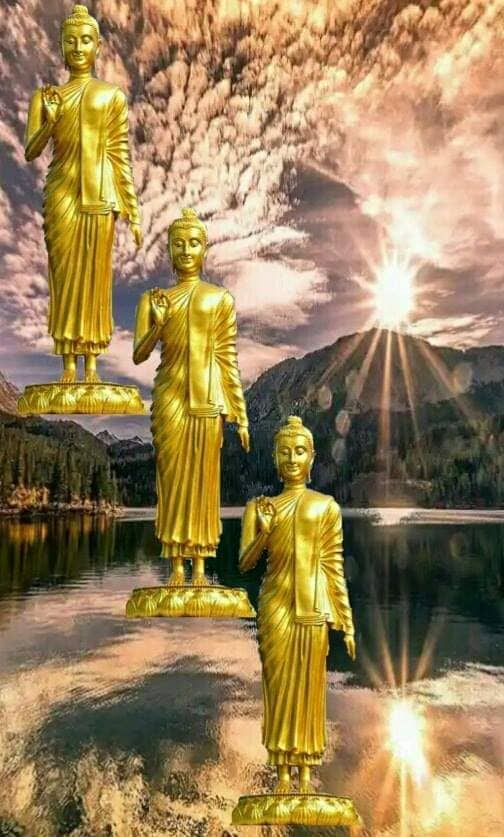
one night that the Buddha attains an enlightenment one night that the Buddha attains Nirvana During these 2 nights, the Buddha teaches Dhamma to all of you. All words of Dhamma always has the same meanings that is to bring all of you from Suffering. None of word is strange to each other None of word is conflict to each other. This is the meaning of ‘Tathagat’ Bhikkhu(Monks) Tathagat always do as same as Tathagat talk Tathagat always talk as same as Tathagat do Thus, this is my name ‘Tathagat’ the Buddha Gotam The Buddha kindly explain the original meaning of ‘Tathagat’ to all of us. Tathagat means ‘being real’
🌷अम्बट्ठ-सुत्त🌷 Ambattha
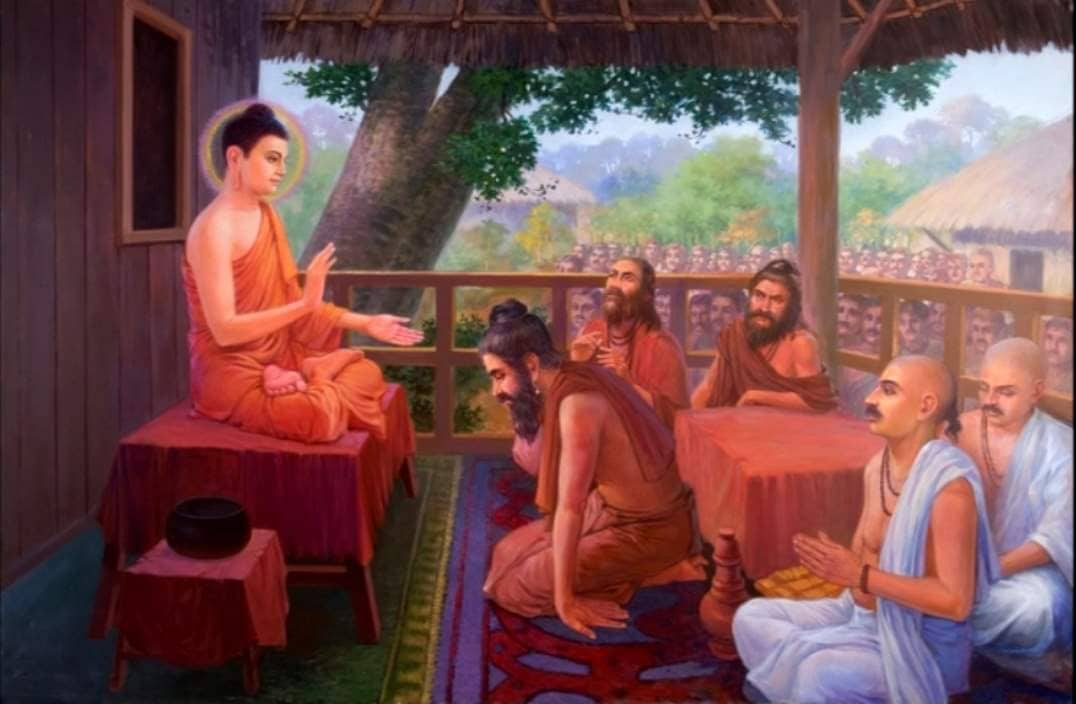
(1—अम्बष्टका शाक्यो पर आक्षेप । 2—शाक्यो की उत्पत्ति । 3—जात-पाँत का खडन । 4—विध्या और आचरण । 5—विध्याचरण के चार विघ्न )
ऐसा मैने सुना—एक समय भगवान् पाँच सौ भिक्षुओके महान् भिक्षु-सघ के साथ कोसल (देश) मे विचरते जहाँ इच्छानगल नामक ब्राह्मण-ग्राम था, वहाँ पहुँचे। वहाँ भगवान् इच्छानगलके इच्छानगल-वनखण्डमे विहरते थे ।
उस समय पौष्करसाति ब्राह्मण, कोसलराज, प्रसेनजित-द्वारा प्रदत्त, राजभोग्य राजदायज्ज ब्रह्म-देय, जनाकीर्ण, तृणकाष्ठ-उदकधान्यसम्पन्न उक्कट्ठाका स्वामी था ।
THUS HAVE I HEARD. Once the Lord was touring Kosala with a large number of monks, some five hundred, and he came to a Kosalan Brahmin village called Icchanankala. And he stayed in the dense jungle of Icchanankala. At that time the Brahmin Pokkharasati was living at Ukkhattha, a populous place, full of grass, timber, water and com, which had been given to him by King Pasenadi of Kosala as a royal gift and with royal powers.
पौष्करसाति ब्राह्मणने सुना—‘शाक्य-कुलसे प्रब्रजित शाक्य-पुत्र श्रमण गौतम० कोसल-देश मे चारिका करते, इच्छानगल मे ० विहार कर रहे है। उन भगवान् गौतम का ऐसा मगल-कीर्ति शब्द फैला हुआ है । वह भगवान् अर्हत् सम्यक् सबुद्ध, विद्या-आचरण-सम्पन्न, सुगत, लोकविद्, अनुपम पुरुष-दम्यसारथी, देव-मनुष्योके शास्ता, बुद्ध भगवान् है । वह देव-मार सहित इस लोक, श्रमण-ब्राह्मण-देव-मनुष्य-सहित प्रजा को स्वय जानकर,साक्षात् कर, उपदेश करते है । वह आदि-कल्याण, मध्य-कल्याण पर्यवसान-कल्याण वाले धर्म का उपदेश करते है । अर्थ-सहित, व्यजन-सहित, केवल परिपूर्ण परिशुद्ध ब्रह्मचर्य को प्रकाशित करते है । इस प्रकारके अर्हतो का दर्शन अच्छा होता है ।
And Pokkharasati heard say: ‘The ascetic Gotama, son of the Sakyans, who has gone forth from the Sakya clan, . . . is staying in the dense jungle of Icchanankala. And concerning
that Blessed Lord a good report has been spread about: “This Blessed Lord is an Arahant, a fully-enlightened Buddha, perfected in knowledge and conduct, a Well-Farer, Knower of the worlds, unequalled Trainer of men to be tamed, Teacher of gods and humans, a Buddha, a Blessed Lord.” He proclaims this world with its gods, maras, Brahmas, the world of ascetics
and Brahmins with its princes and people, having come to know it by his own knowledge. He teaches a Dhamma that is lovely in its beginning, lovely in its middle, and lovely in its ending, in the spirit and in the letter, and he displays the fully-perfected, thoroughly purified holy life. And indeed it is good to see such Arahants.’
उस समय पौष्करसाति ब्राह्मण का अम्बष्ट नामक माणवक अध्यायक, मत्र-धर, निघण्टु, केटुभ (कल्प), अक्षर-प्रभेद, शिक्षा (निरुक्त) सहित तीनो वेद, पाँचवे इतिहास का पारड्गत, पद-ज्ञ (कवि), वैयाकरण, लोकायत (शास्त्र) तथा महापुरूष-लक्षण (सामुद्रिक शास्त्र) मे निपुण, अपनी पडिताई, प्रवचन मे—‘जो मै जानता हूँ, सो तू जानता है, जो तू जानता है वह मै जानता हूँ (कहकर आचार्य द्वारा) स्वीकृत किया गया था ।Now at that time Pokkharasati had a pupil, the youth Ambattha, who was a student of the Vedas, who knew the mantras, perfected in the Three Vedas, a skilled expounder of the rules and rituals, the lore of sounds and meanings and, fifthly, oral tradition, complete in philosophy and in the marks of a Great Man, admitted and accepted by his master in the Three Vedas with the words: ‘What I know, you know; what you know, I know.’ तब पौष्करसाति ब्राह्मणने अम्बष्ट माणवकको सम्बोधित किया— “तात ! अम्बष्ट । शाक्य-कुल से प्रब्रजित शाक्य-पुत्र श्रमण गौतम० कोसल-देश मे चारिका करते,इच्छानगल मे विहार करते है, इस प्रकार के अर्हतो का दर्शन अच्छा होता है । आओ तात । अम्बष्ट । जहाँ श्रमण गौतम है, वहाँ जाओ। जाकर श्रमण गौतम को जानो, कि आप गौतम का (कीर्ति) शब्द यथार्थ फैला हुआ है, या अ-यथार्थ ? क्या वे वैसे है या नही, जिसमे कि हम आप गौतम को जाने । And Pokkharasati said to Ambattha: ‘Ambattha, my son, the ascetic Gotama . . . is staying in the dense jungle of Icchanankala,. And concerning that Blessed Lord a good report has been spread about . . . Now you go to see the ascetic Gotama and find out whether this report is correct or not, and whether the Reverend Gotama is as they say or not. In that way we shall put the Reverend Gotama to the test.’ “कैसे भो । मै आप गौतम को जानूँगा—कि आप गौतम ० वैसे है यै नही ?” “तात अम्बष्ट । हमारे मंत्रो मे बत्तीस महापुरूष-लक्षण आये है । जिनसे युक्त महापुरुष की दो ही गति होती है, तीसरी नही । यदि वह घर मे रहता है, तो चक्रवर्ती राजा होता है । यदि घर से बेघर हो प्रब्रजित होता है,.. तो अर्हत् सम्यक् सबुद्ध होता है । तात अम्बष्ट । मै मंत्रो का दाता हूँ, तू मंत्रो का प्रतिग्रहीता है ।” ‘Sir, how shall I find out whether the report is true, or whether the Reverend Gotama is as they say or not?’ ‘According to the tradition of our mantras, Ambattha, the great man who is possessed of the thirty-two marks of a Great Man has only two courses open to him. If he lives the household life he will become a ruler, a wheel-turning righteous monarch of the law, conqueror of the four quarters, who has established the security of his realm and is possessed of the seven treasures. These are: the Wheel-Treasure, the Elephant- Treasure, the Horse-Treasure, the Jewel-Treasure, the Woman-Treasure, the Householder-Treasure, and, as seventh, the Counsellor-Treasure. He has more than a thousand sons who are heroes, of heroic stature, conquerors of the hostile army. He dwells having conquered this sea-girt land without stick or sword, by the law. But if he goes forth from the household life into homelessness, then he will become an Arahant, a fully-enlightened Buddha, one who draws back the veil from the world. And, Ambattha, I am the passer-on of the mantras, and you ate the receiver.’पौष्कर-साति ब्राह्मण से “हाँ, भो।” कह अम्बष्ट माणवक, आसन से उठ, अभिवादन कर, प्रदक्षिणाकर, घोळी के रथपर चढ, बहुत से माणवको के साथ जिधर इच्छानगल बन-खण्ड था, उधर चला। जितनी रथकी भूमि थी, उतना रथ से जाकर, यान से उतर, पैदल ही आराम से प्रविष्ट हुआ । उस समय बहुत से भिक्षु खुली जगह मे टहल रहे थे । तब अम्बष्ट माणवक जहॉ वह भिक्षु थे वहाँ गया, जाकर उन भिक्षुओ से बोला— “भो । आप गौतम इस समय कहाँ विहार कर रहे है ॽ हम आप गौतम के दर्शन के लिये यहाँ आये है । तब उन भिक्षुओको यह हुआ—‘यह कुलिन प्रसिद्ध (अम्बष्ट) माणवक, अभिज्ञात (प्रख्यात) पौष्करसाति ब्राह्मण का शिष्य है । इस प्रकार के कुल-पुत्रौ के साथ कथा-सलाप भगवान्-को भारी नही होता ।’ और अमबट्ठ माणवक से कहा— “अम्बट्ठ । यह बन्द दरवाजे वाला विहार (कोठरी) है, चुपचाप धीरे से वहॉ जाओ और अलिन्दे मे प्रवेशकर खाँस कर, जंजीर को खटखटाओ, बिलाई को हिलाओ । भगवान् तुम्हारे लिये द्वार खोल देगे ।” ‘Very good, sir’, said Ambattha at Pokkhamsati’s words, and he got up, passed by Pokkharasati with his right side, got into his chariot drawn by a mare and, accompanied by a number of young men, headed for the dense jungle of Icchanankala. He drove as far as the carriage would go, then alighted and continued on foot. At that time a number of monks were walking up and down in the open air. Ambattha approached them and said: ‘Where is the Reverend Gotama to be found just now? We have come to see the Reverend Gotama.’ The monks thought: ‘This is Ambattha, a youth of good family and a pupil of the distinguished Brahmin Pokkharasati. The Lord would not mind having a conversation with such a young man.’ And they said to Ambattha: ‘That is his dwelling, with the door closed. Go quietly up to it, go on to the verandah without haste, cough, and knock on the bolt. The Lord will open the door to you.’ 1—अम्बष्ट का शाक्यों पर आक्षेप तब अम्बट्ठ माणवक ने जहाँ वह बंद दरवाजे वाला विहार था, चुपचाप धीरे से वहाँ जा अलिन्दे मे प्रवेशकर खाँस कर, जंजीर को खटखटा बिलाई को हिलाया । भगवान ने द्वार खोल दिया । अम्बष्ट माणवक ने भीतर प्रवेश किया । (दूसरे) माणवको ने भी प्रवेशकर भगवान के साथ समोदन किया (और) वह एक ओर बैठ गये । (उस समय) अम्बट्ठ माणवक (स्वय) बैठे हुये भी, भगवान् के टहलते वक्त कुछ पूछ रहा था, स्वय खडे हुये भी बैठे हुये भगवान से कुछ पूछ रहा था । Ambattha went up to the dwelling and on to the verandah, coughed, and knocked. The Lord opened the door, and Ambattha went in. The young men entered, exchanged courtesies with the Lord, and sat down to one side. But Ambattha walked up and down while the Lord sat there, [go] uttered some vague words of politeness, and then stood so speaking before the seated Lordतब भगवानने अम्बष्ट माणवक से यह कहा— “अम्बष्ट । क्या बुद्ध (महल्लक) आचार्य-प्राचार्य ब्राह्मणो के साथ कथा-सलाप, ऐसे ही होता है, जैसा कि तू चलते खड़े बैठे हुये मेरे साथ कर रहा है ॽ” “नही हे गौतम । चलते ब्राह्मणो के साथ चलते हुये, खड़े ब्राह्मणो के साथ खड़े हुये, बैठे ब्राह्मणो के साथ बैठे हुये बात करनी चाहिये । सोये ब्राह्मण के साथ सोये बात कर सकते है । किन्तु हे गौतम ! जो मुडक, श्रमण, इभ्य (नीच) काले, ब्रह्मा के पैर की संतान है, उनके साथ ऐसे ही कथासंलाप होता है, जैसा कि (मेरा) आप गौतम के साथ ।” And the Lord said to Ambattha: ‘Well now, Ambattha, would you behave like this if you were talking to venerable and learned Brahmins, teachers of teachers, as you do with me, walking and standing while I am sitting, and uttering vague words of politeness?’ ‘No, Reverend Gotama. A Brahmin should walk with a walking Brahmin, stand with a standing Brahmin, sit with a sitting Brahmin, and lie down with a Brahmin who is lying down. But as for those shaven little ascetics, menials, black scourings from Brahma’s foot, with them it is fitting to speak just as I do with the Reverend Gotama.’ “अम्बट्ठ । याचक (अर्थी) की भॉति तेरा यहॉ आना हुआ है । (मनुष्य) जिस अर्थ के लिये आवे, उसी अर्थ को (उसे) मन मे करना चाहिये । अम्बष्ट । (जान पडता है) तूने (गुरुकुलमे) वास नही किया है, वास करे बिना ही क्या (गुरुकुल-) वास का अभिमान करता है ॽ” तब अम्बष्ट माणवक ने भगवान के (गुरुकुल-) अ-वास कहनेसे कुपित, असंतुष्ट हो, भगवान को ही खुनसाते भगवान को ही निन्दते, भगवान को ही ताना देते—‘श्रमण गौतम दुष्ट है’ (सोच) यह कहा—“हे गौतम । शाक्य-जाति चंड है । है गौतम शाक्य-जाति क्षुद्र (लघुक) है । हे गोतम । शाक्य-जाति बकवादी (रभस) है । नीच (इभ्य) समान होने से शाक्य, ब्राह्मणो का सत्कार नही करते, ब्राह्मणो का गौरव नही करते, ० नही मानते, ० नही पूजते, ० नही (खातिर) करते । हे गौतम । सो यह अयोग्य है, जो कि नीच, नीच-समान शाक्य, ब्राह्मणो का सत्कार नही करते ० ।” इस प्रकार अम्बट्ठ ने शाक्यो पर इभ्य (नीच) कह यह प्रथम आक्षेप किया । ‘But, Ambattha, you came here seeking something. Whatever it was you came for, you should listen attentively to hear about it. Ambattha, you have not perfected your training. Your conceit of being trained is due to nothing but inexperience. But Ambattha was angry and displeased at being called untrained, and he turned on the Lord with curses and insults. Thinking: The ascetic Gotama bears me ill-will’, he said: ‘Reverend Gotama, the Sakyans are fierce, rough-spoken, touchy and violent. Being of menial origin, being menials, they do not honour, respect, esteem, revere or pay homage to Brahmins. With regard to this it is not proper. . . that they do not pay homage to Brahmins.’ This was the first time Ambattha accused the Sakyans of being menials. “अम्बट्ठ । शाक्यो ने तेरा क्या कसूर किया है ॽ” “हे गौतम । एक समय मै (अपने) आचार्य ब्राह्मण पौष्करसाति के किसी काम से कपिल वस्तु गया और जहाँ शाक्यो का सस्थागार (प्रजातन्त्र-भवन) था, वहाँ पहुँचा । उस समय बहुत से शाक्य तथा शाक्य-कुमार सस्थागार मे ऊँचे ऊँचे आसनो पर, एक दूसरे को अगुली गँडाते हँस रहे थे, खेल रहे थे । मुझे ही मानो हँस रहे थे । (उनमे से) किसी ने मुझे आसन पर बैठने को नही कहा । सो हे गौतम । अयुक्त है, जो यह इभ्य तथा इभ्य-समान शाक्य ब्राह्मणो का सत्कार नही करते ०।” इस प्रकार अम्बट्ठ माण्वक ने शाक्यो पर दूसरा आक्षेप किया ।Kiran removed a message‘Ambattha, in former days, according to those who remember the ancestral lineage, the Sakyans were the masters, and you are descended from a slave-girl of the Sakyans. For the Sakyans regard King Okkaka as their ancestor. At one time King Okkaka, to whom his queen was dear and beloved, wishing to transfer the kingdom to her son, banished his elder brothers from the kingdom – Okkamukha, Karandu, Hatthiniya and Sinipura. And these, being banished, made their home on the flank of the Himalayas beside a lotus-pond where there was a big grove of teak-trees. And for fear of contaminating the stock they cohabited with their own sisters. Then King Okkaka asked his ministers and counsellors: “Where are the princes living now?” and they told him. At this King Okkaha exclaimed: “they are strong as teak (sala), these princes, they are real Sakyans!” And that is how the Sakyans got their well-known name. And the King was the ancestor of the Sakyans. “तब अम्बट्ठ । राजा इक्ष्वाकु ने उदान कहा—‘अहो । कुमार । शाक्य (समर्थ) है रे । महाशाक्य है रे कुमार ।’ तबसे अम्बट्ठ । वह शाक्य के नाम ही से प्रसिद्ध हुए, वही (इक्ष्वाकु) उनका पूर्वपुरुष था । अम्बट्ठ । राजा इक्ष्वाकु की दिशा नाम की दासी थी । उससे कृष्ण (कण्ह) नामक पुत्र पैदा हुआ । पैदा होते ही कृष्ण ने कहा—‘अम्मा । धोओ मुझे, अम्मा । नहलाओ मुझे, इस गंदगी (अशुचि) से मुक्त करो, मै तुम्हारे काम आऊँगा ।’ अम्बट्ठ । जैसे आजकल मनुष्य पिशाचो को देखकर ‘पिशाच’ कहते है, वैसे ही उस समय पिशाचो को, कृष्ण कहते थे । उन्होने कहा—इसने पैदा होते ही बात की, (अंत यह) ‘कृष्ण पैदा हुआ’, ‘पिचाश पैदा हुआ’ । उसी (कृष्ण) से (उत्पन्न वंश) आगे काष्णर्यायन प्रसिद्ध हुआ । वही काष्णर्यायनो का पूर्व-पुरुष था । इस प्रकार अम्बष्ट । तुम्हारे माता-पिताओ के गोत्र को विचार करने से, शाक्य आर्य-पुत्र होते है, तुम शाक्यो के दासी-पुत्र हो ।” ‘Now King Okkaka had a slave-girl called Disa, who gave birth to a black child. The black thing, when it was born, exclaimed: “Wash me, mother! Bath me, mother! Deliver me from this dirt, and I will bring you profit!” Because, Ambattha, just as people today use the term hobgoblin (pisaca) as a term of abuse, so in those days they said black (kanha). And they said: “As soon as he was born, he spoke. He is born a Kanha, a hobgoblin!” That is how in former days . . . the Sakyans were the masters, and you are descended from a slave girl of the Sakyans.’ऐसा कहने पर उन माणवको ने भगवानसे कहा— “आप गौतम । अम्बष्ट माणवक को कडे दासी-पुत्र-वचन से मत लजावे । हे गौतम । अम्बष्ट माणवक सुजात है, कुल-पुत्र है ० बहुश्रुत ०, सुवक्ता ०, पंडित है । अम्बष्ट माणवक इस बात मे आप गौतमके साथ वाद कर सकता है ।” तब भगवान ने उन माणवको से कहा— “यदि तुम माणवको को होता है—‘अम्बष्ट माणवक दुर्जात है, ० अ-कुलपुत्र है, ० अल्पश्रुत ०, दुर्वक्ता ०, दुष्प्रज्ञ (अ-पङित्त) ०। अम्बष्ट माणवक श्रमण गौतम के साथ इस विषय मे वाद नही कर सकता । तो अम्बष्ट माणवक बैठे, तुम्ही इस विषयमे मेरे साथ वाद करो । यदि तुम माणवको को ऐसा है—अम्बष्ट माणवक सुजात है ०। तो तुम लोग ठहरो, अम्बष्ट माणवक को मेरे साथ वाद करने दो ।” “हे गौतम । अम्बष्ट माणवक सुजात है, ०। अम्बष्ट माणवक इस विषय मे आप गौतम के साथ वाद कर सकता है । हम लोग चुप रहते है। अम्बष्ट माणवक ही आप गौतम के साथ वाद करेगा ।” On hearing this, the young men said: ‘Reverend Gotama, do not humiliate Ambattha too much with talk of his being descended from a slave-girl: Ambattha is well-born, of a good family, he is very learned, he is well-spoken, a scholar, well able to hold his own in this discussion with the Reverend Gotama!’ Then the Lord said to the young men: ‘If you consider that Ambattha is ill-born, not of a good family, unlearned, ill-spoken, no scholar, unable to hold his own in this discussion with the ascetic Gotama, then let Ambattha be silent, and you conduct this discussion with me. But if you think he is . . . able to hold his own, then you be quiet, and let him discuss with me.’ ‘Ambattha is well-born, Reverend Gotama. . .We will be silent, he shall continue. तब भगवानने अम्बष्ट माणवकसे कहा— “अम्बष्ट । यहॉ तुम पर धर्म-सम्बन्धी प्रश्न आता है, न इच्छा होते हुए भी उत्तर देना होगा, यदि नही उत्तर दोगे, या इधर उधर करोगे, या चुप होगे, या चले जाओगे, तो यही तुम्हारा सिर सात टुकड़े हो जायगा । तो अम्बष्ट । क्या तुमने बृध्द-महल्लक ब्राह्मणो आचार्य-प्राचार्यो श्रमणो से सुना है (कि) कब से काष्ण्यॉयन है, और उनका पूर्व-पुरुष कौन था ॽ” ऐसा पूछनेपर अम्बष्ट माणवक चुप हो गया । दुसरी बार भी भगवान ने अम्बष्ट माणवक से यह पूछा—० । तब भगवान ने अम्बष्ट माणवक से कहा— “अम्बष्ट । उत्तर दो, यह तुम्हारा चुप रहने का समय नही । जो कोई तथागत से तीन बार अपने धर्म-सम्बन्धी प्रश्न पूछे जाने पर भी उतर नही देगा, उसका शिर यही सात टुकडे हो जायगा ।”Then the Lord said to Ambattha: ‘Ambattha, I have a fundamental question for you, which you will not like to answer. If you don’t answer, or evade the issue, if you keep silent or go away, your head will split into seven pieces. What do you think, Ambattha? Have you heard from old and venerable Brahmins, teachers of teachers, where the Kanhayans came from, or who was their ancestor?’ At this, Ambattha remained silent. The Lord asked him a second time. Again Ambattha remained silent, and the Lord said: ‘Answer me now, Ambattha, this is not a time for silence. Whoever, Ambattha, does not answer a fundamental question put to him by a Tathagata by the third asking has his head split into seven pieces. उस समय बज्रपाणि यक्ष बडे भारी आदीप्त-सप्रज्वलित,चमकते लोह-खड (अय-कूट) को लेकर, अम्बष्ट माणवक के ऊपर आकाश मे खडा था—‘यदि यह अम्बष्ट माणवक तथागत से तीन बार अपने धर्म-सम्बन्धी प्रश्न पूछे जानेपर भी उत्तर नही देगा, (तो) यही इसके सिर को सात टुकडे करूँगा ।’ उस बज्रपाणि यक्षको (या तो) भगवान् देखते थे, या अम्बष्ट माणवक । तब उसे देख अम्बष्ट माणवक भयभीत, उद्विग्न, रोमांचित हो, भगवान से त्राण-लयन-शरण चाहता, बैठकर भगवान से बोला— “क्या आप गौतम ने कहा, फिर से आप गौतम कहे तो ॽ” “तो कया मानते हो, अम्बष्ट । क्या तुमने बृध्द-महल्लक ब्राह्मणो आचार्य-प्राचार्यो श्रमणो से सुना है (कि) कब से काष्ण्यॉयन है, और उनका पूर्व-पुरुष कौन था ॽ” “ऐसा ही है हे गौतम । जैसा कि आपने कहा । तब से ही काष्णर्यायन हुए, और वही काष्णर्यायन का पूर्व-पुरुष था ।” And at that moment Vajirapani the yakkha holding a huge iron club, flaming, ablaze and glowing, up in the sky just above Ambattha, was thinking: ‘If this young man Ambattha does not answer a proper question put to him by the Blessed Lord by the third time of asking, I’ll split his head into seven pieces!’ The Lord saw Vajirapani, and so did Ambattha. And at the sight, Ambattha was terrified and unnerved, his hairs stood on end, and he sought protection, shelter and safety from the Lord. Crouching down close to the Lord, he said: ‘What did the Reverend Gotama say? May the Reverend Gotama repeat what he said!’ ‘What do you think, Ambattha? Have you heard who was the ancestor of the kanhayans?’ ‘Yes, I have heard it just as the Reverend Gotama said, that is where the Kanhayans came from, he was their ancestor. ऐसा कहनेपर (दुसरे) माणवक उन्नाद, उच्चशब्द, महा-शब्द (कोलाहल) करने लगे— “अम्बष्ट माणवक दुर्जात है । अ-कुलपुत्र है। अम्बष्ट माणवक शाक्यो का दासी-पुत्र है । शाक्य, अम्बष्ट माणवक के आर्य (स्वामि)-पुत्र होते है । सत्यवादी श्रमण गौतम को हम अश्रद्धेय बनाना चाहते थे ।”Hearing this, the young men made a loud noise and clamor: ‘So Ambattha is ill-born, not of a good family, born of a slave-girl of the Sakyans, and the Sakyans are Ambattha’s masters! We disparaged the ascetic Gotama, thinking he was not speaking the truth!’ तब भगवान ने देखा—‘यह माणवक, अम्बष्ट माणवक को दासी-पुत्र कहकर अधिक लजाते है, क्यो न मै (इसे) छुङाऊँ।’ तब भगवान ने माणवको से कहा— “माणवको । तुम अम्बष्ट माणवक को दासी-पुत्र कहकर बहुत अधिक मत लजवाओ । वह कृष्ण महान् ऋषि थे । उन्होने दक्षिण-देश मे जाकर ब्रह्ममत्र पठकर, राजा इक्ष्वाकु के पास जा (उसकी) क्षुद्र-रूपी कन्या को मॉगा । तब राजा इक्ष्वाकु ने—‘अरे यह मेरी दासी का पुत्र होकर क्षुद्र-रूपी कन्या को मॉगता है’ (सोच), कुपित हो असन्तुष्ट हो, बाण चढाया। लेकीन उस बाण को न वह छोड सकता था, न समेट सकता था । तब अमात्य और पार्षद कृष्ण ऋषि के पास जाकर बोले— Then the Lord thought: ‘It is too much, the way these young men humiliate Ambattha for being the son of a slave-girl. I must get him out of this.’ So he said to the young men: ‘Don’t disparage Ambattha too much for being the son of a slave-girl! That Kanha was a mighty sage. He went to the south country, learnt the mantras of the Brahmins there, and then went to :king Okkaka and asked for his daughter Maddarupi. And King Okkaka, furiously angry, exclaimed: “So this fellow, the son of a slave-girl, wants my daughter!”, and put an arrow to his bow. But he was unable either to shoot the arrow or to withdraw it. Then the ministers and counsellors came to the sage Kanha and said: “Spare the king, Reverend Sir, spare the king!” ‘भदन्त । राजा का मंगल हो, भदन्त । राजा का मंगल (स्वस्ति) हो ।’ ‘राजा का मंगल होगा, यदि राजा नीचे की ओर बाण(क्षुरप्र को छोडेगा । (लेकिन) जितना राजा का राज्य है, उतनी पृथ्वी फट जायगी ।’ ‘भदन्त । राजा का मंगल हो, जनपद (देश) का मंगल हो ।’ ‘राजा का मंगल होगा, जनपद का भी मंगल होगा, यदि राजा ऊपर की ओर बाण छोडेगा, (लेकिन) जहॉ तक राजा का राज्य है, सात वर्ष तक वहाँ वर्षा न होगी।’ ‘भदन्त । राजा का मंगल हो, दैव वर्षा करे ।’ ‘० देव भी वर्षा करेगा, यदि राजा ज्येष्ठ कुमार पर बाण छोडे । कुमार स्वस्ति पूर्वक (रहेगा किन्तु) गंजा हो जायेगा ।’ “‘The king will be safe, but if he looses the arrow downwards, the earth will quake as far as his kingdom extends.” “Reverend Sir, spare the king, spare the land!” “‘The king and the land will be’ safe, but if he looses the arrow upwards, as far as his realm extends the god will not let it rain for seven years.” “Reverend Sir, spare the king and the land, and may the god let it rains!” “The king and the land will be safe, and the god will let it rain, but if the king points the arrow at the crown prince, the prince will be completely safe.” “तब माणवको । अमात्यो ने इक्ष्वाकु से कहा—‘ ज्येष्ठ कुमार पर बाण छोडे, कुमार स्वस्ति-सहित (किन्तु) गंजा हो जायेगा । राजा इक्ष्बाकु ने ज्येष्ठ कुमार पर बाण छोड दिया । उस ब्रमदण्ड से भयभीत, उद्विग्न, रोमाचित, तर्जित राजा इक्ष्बाकु ने ऋषि को कन्या प्रदान की । माणवको ,अम्बष्ट माणव को दासी-पुत्र कह, तुम मत बहुत अघिक लजवाओ । वह कृष्ण महान् ऋषि थे ।”‘Then the ministers exclaimed: “Let King Okkaka point the arrow at the crown prince, the prince will be perfectly safe!” The king did so, and the prince was unharmed. Then King Okkaka, terrified and fearful of divine punishment gave away his daughter Maddarupi. So, young men, do not disparage Ambattha too much for being the son of a slave girl. That kanha was a mighty sage.’ 3—जात-पाँतका खंडन तब भगवानने अम्बष्ट माणव को सम्बोधित किया— “तो अम्बष्ट । यदि (एक) क्षत्रिय-कुमार ब्राह्मण-कन्या के साथ सहवास करे, उनके सहवास से पुत्र उत्पन्न हो । जो क्षत्रिय-कुमार से ब्राह्मण-कन्या मे पुत्र उत्पन्न होगा, क्या वह ब्राह्मणो मे आसन और पानी पायेगा ?” “पायेगा हे गौतम ।” “कया ब्राह्मण श्राद्घ, स्थालि-पाक, यज्ञ या पाहुनाई मे उसे (साथ) खिलायेगे ?” “खिलायेगे हे गौतम ।” “कया ब्राह्मण उसे मत्र (वेद) बँचायेगे ?” बँचाये गे हे गौतम ।” “उसे (ब्राह्मणी) स्त्री (पाने)मे बाधा होगी, या नही ?” “बाधा नही होगी ।” “कया क्षत्रिय । उसे क्षत्रिय-अभिषेक से अभिषिक्त करेगे ?” “नही, हे गौतम । कयोकि माता की ओर से हे गौतम । वह ठीक नही है ।” Then the Lord said: ‘Ambattha, what do you think? Suppose a Khattiya youth were to wed a Brahmin maiden, and there was a son of the union. Would that son of a Khattiya youth and a Brahmin maiden receive a seat and water from the Brahmins?’ ‘He would, Reverend Gotama.’ ‘Would they allow him to eat at funeral-rites, at rice-offerings, at sacrifices or as a guest?’ ‘They would, Reverend Gotama.’ ‘Would they teach him mantras or not?’ ‘They would, Reverend Gotama.’ ‘Would they keep their women covered or uncovered?’ ‘Uncovered, Reverend Gotama.’ ‘But would the Khattiyas sprinkle him with the Khattiya consecration?’ ‘No, Reverend Gotama.’ ‘Why not?’ ‘Because, Reverend Gotama, he is not well-born on his mother’s side. “तो अम्बष्ट । यदि एक ब्राह्मण-कुमार क्षत्रिय-कन्या के साथ सहवास करे, और उनके सहवास से पुत्र उत्पन्न हो । जो वह ब्राह्मण-कुमार से क्षत्रिय-कन्या से पुत्र उत्पन्न हुआ है, क्या वह ब्राह्मणो से आसन पानी पायेगा ?” “पायेगा हे गौतम ।” “कया ब्राह्मण श्राद्ध, स्थालिपाक, यज्ञ या पाहुनाई मे उसे (साथ) खिलायेगे ?” “खिलायेगे हे गौतम ।” “ब्राह्मण उसे मत्र बँचायेगे, या नही ?” “बँचायेगे हे गौतम ।” “क्या उसे (ब्राह्मण-) स्त्री (पाने) मे बाधा होगी ?” “बाधा न होगी हे गौतम ।” “कया उसे क्षत्रिय क्षत्रिय-अभिषेक से अभिषिकत करेगे ?” “नही, हे गौतम ।” “सो किस हेतु ?” “(कयोकि) हे गौतम । पिता की ओर से वह ठीक नही है ।”‘What do you think, Ambattha? Suppose a Brahmin youth were to wed a Khattiya maiden, and there was a son of the union. Would that son of a Khattiya youth and a Brahmin maiden receive a seat and water from the Brahmins?’ ‘He would, Reverend Gotama.’ . . . (as verse ) But would the Khattiyas sprinkle him with the Khattiya consecration?’ ‘No, Reverend Gotama.’ ‘Why not?’ ‘Because, Reverend Gotama, he is not well-born on his father’s side.’ “इस प्रकार अम्बष्ट । स्त्री की ओर से भी, पुरूष की ओर से भी क्षत्रिय ही श्रेष्ठ है, ब्राह्मण हीन है । तो अम्बष्ट यदि ब्राहमण किसी ब्राह्मण को छुरे से मुडित करा, घोडे के चाबुक से मारकर, राष्ट्र या नगर से निर्वासित कर दे । क्या वह ब्राह्मणो मे आसन, पानी पायेगा ?” “नही, हे गौतम ।” “क्या ब्राह्मण श्राद्ध स्थालिपाक, यज्ञ, पाहुनाई से उसे खिलायेगे ?” “नही, हे गौतम ।” “ब्राह्मण उसे मत्र बँचायेगे या नही ?” “नही, हे गौतम ।” “उसे (ब्राह्मण-)स्त्री (पाने)मे बाधा होगी या नही ?” “बाधा होगी, हे गौतम ।” ‘So, Ambattha, the Khattiyas, through a man taking a woman or a woman taking a man, are senior to the Brahmins. What do you think, Ambattha? Take the case of a Brahmin who, for some reason, has had his head shaved by the Brahmins, h.as been punished with a bag of ashes and banished from the country or the city. Would he receive a seat and water from the Brahmins?’ ‘No, Reverend Gotama.’ Would they allow him to eat . . . as a guest?’ ‘No, Reverend Gotama.’ ‘Would they teach him mantras, or not?’ ‘They would not, Reverend Gotama.’ ‘Would they keep their women covered or uncovered?’ ‘Covered, Reverend Gotama. “तो अम्बष्ट । यदि क्षत्रिय (एक पुरुष को) किसी कारण से छुरे से मुडित करा, घोडे के चाबुक से मारकर, राष्ट्र या नगर से निर्वासित कर दे । क्या वह ब्राह्मणो मे आसन पानी पायेगा ?” “पायेगा हे गौतम ।” “क्या ब्राह्मण ० उसे खिलायेगे ?” “खिलायेगे हे गौतम ।” “क्या ब्राह्मण उसे मत्र वँचायेगे ?” “वँचायेंगे हे गौतम ।” “उसे स्त्री पाने में बाधा होगी, या नही ?” “बाधा नही होगी हे गौतम ।”‘What do you think, Ambattha? Take the case of a Khattiya who . . . had his head shaved by the Khattiyas, . . . and has been banished from the country or the city. Would he receive a seat and water from the Brahmins?’ ‘He would, Reverend Gotama.’ . . . (as verse ) ‘Would they keep their women covered or uncovered?’ ‘Uncovered, Reverend Gotama.’ “अम्बट्ठ । क्षत्रिय बहुत ही निहिन (नीच) हो गया रहता है, जबकि उसको क्षत्रिय किसी कारण से मुडित कर नगर से निर्वासित कर दे । इस प्रकार अम्बष्ट । जब वह क्षत्रियो मे परम नीचता को प्राप्त है, तब भी क्षत्रिय ही श्रेष्ठ है, ब्राह्मण हीन है । ब्रह्मा सनत्कुमार ने भी अम्बवष्ट । यह गाथा कही है— ‘गोत्र लेकर चलनेवाले जनो मे क्षत्रिय श्रेष्ठ है । ‘जो विद्या और आचरणसे युक्त है, वह देवमनुष्यो मे श्रेष्ठ है ॥१॥” ‘But that Khattiya has so far reached the extreme of humiliation that he has . . . been banished from the country or the city. So even if a Khattiya has suffered extreme humiliation, he is superior and the Brahmins inferior. ‘Ambattha, this verse was pronounced by Brahma Sanankumara: “The Khattiya’s best among those who value clan; He with knowledge and conduct is best of gods and men.” “सो अम्बष्ट । यह गाथा ब्रह्मा सनत्कुमार ने उचित ही गायी(सुगीता) है, अनुचित नही गायी है,—सुभाषित है, दुर्भाषित नही है, सार्थक है, निरर्थक नही है, मै भी सहमत हूँ, मै भी अम्बष्ट कहता हूँ—‘ गोत्र लेकर चलनेवाले जनो मे क्षत्रिय श्रेष्ठ है । ‘जो विद्या और आचरणसे युक्त है, वह देवमनुष्यो मे श्रेष्ठ है ॥२॥”।” ‘This verse was rightly sung, not wrongly, rightly spoken, not wrongly, connected with profit, not unconnected. And, Ambattha, I too say this: “The Khattiya’s best among those who value clan: He with knowledge and conduct is best of gods and men.” 4—विद्या और आचरण “क्या है, हे गौतम । चरण, और क्या है विद्या ?” “अम्बष्ट । अनुपम विद्या-आचरण-संम्पदा को जातिवाद नही कहते, नही गोत्र-वाद कहते, नही मान-वाद—‘मेरे तू योग्य है’, ‘मेरे तू योग्य नही है’ कहते है । जहॉ अम्बष्ट । आवाह-विवाह होता है, वही यह जातिवाद, गोत्रवाद, मानवाद, ‘मेरे तू योग्य है’, ‘मेरे तू योग्य नही है’ कहा जाता है । अम्बट्ठ । जो कोई जातिवाद मे बँधे है, गोत्रवाद मे बँधे है, (अभि-)मान-वाद मे बँधे है, आवाह-विवाह मे बँधे है, वह अनुपम विद्या-चरण-सम्पदा से दूर है । अम्बष्ट । जाति-वाद-बन्धन, गोत्र-वाद-बन्धन, मान-वाद-बन्धन, आवाह-विवाह-बन्धन छोडकर, अनुपम विद्या-चरण-सम्पदा का साक्षात्कार किया जाता है । ‘But, Reverend Gotama, what is this conduct, what is this knowledge?’ ‘Ambattha, it is not from the standpoint of the attainment of unexcelled knowledge-and-conduct that reputation based on birth and clan is declared, nor on the conceit which says: “You are worthy of me, you are not worthy of me!” For wherever there is a giving, a taking, or a giving and taking in marriage, there is always this talk and this conceit… But those who are enslaved by such things are far from the attainment of the unexcelled knowledge-and-conduct, which is attained by abandoning all such things!“क्या है, हे गौतम । चरण, और क्या है विद्या ?” “अम्बष्ट । संसारमे तथागत उत्पन्न होते है ०१ ।०। इसी प्रकार भिक्षु शरीरके चीवर-पेट के खानेसे सन्तुष्ट होता है । ० । इस तरह अम्बष्ट । भिक्षु शील-सम्पन्न होता है ० १ । २ वह प्रीति-सुखवाले प्रथम ध्यानको प्राप्त हो विहरता है । यह भी उसके चरणमे होता ।० द्वितीय ध्यान ० । ० तृतीय ध्यान ० । ० चतुर्थ ध्यानको प्राप्त हो विहरता है, यह भी उसके चरण मे होता है । अम्बष्ट । यह चरण है । ० सच्चे ज्ञानके प्रत्यक्ष करनेके लिए, (अपने) चित्तको नवाता है, झुकाता है । सो इस प्रकार एकाग्र चित्त ०३ । इस तरह आकार-प्रकार के साथ अनेक पूर्व-(जन्म-) निवासो को जानता है । यह भी अम्बष्ट । उसकी विद्यामे है । ० विशुद्ध अलोकिक दिव्यचक्षु से ०४ प्राणियोको देखता है । यह भी अम्बष्ट । उसकी विद्यामे है । ०५ ‘जन्म खतम हो गया, ब्रह्मचर्य पूरा हो गया, करना था सो कर लिया, अब यहॉ (करने)के लिये कुछ नही रहा’—यह भी जानता है । यह भी उसकी विद्या मे है । यह अम्बष्ट । विद्या है । अम्बष्ट । ऐसा भिक्षु विद्या-सम्पन्न कहा जाता है । इसी प्रकार चरण-सम्पन्न, इस प्रकार विद्या-चरण-सम्पन्न होता है । इस विद्या-सम्पदा, तथा चरण-सम्पदा से बढकर दूसरी विद्या-सम्पदा या चरण-सम्पदा नही है । But, Reverend Gotama, what is this conduct, what is this knowledge?’ ‘Ambattha, a Tathāgata arises in this world an Arahant, fully-enlightened Buddha, endowed with wisdom and conduct, Well-Farer, Knower of the worlds, incomparable Trainer of men to be tamed, Teacher of gods and humans, enlightened and blessed. He, having realized it by his own super-knowledge, proclaims this world with its devas, māras and Brahmās, its princes and people. He preaches the Dhamma which is lovely in its beginning, lovely in its middle, lovely in its ending, in the spirit and in the letter, and displays the fullyperfected and purified holy life. A disciple goes forth and practises the moralities (Sutta 2, verse 41-62); he guards the sense doors, etc. (Sutta 2, verse 64-75); attains the four jhānas (Sutta 2, verse 75-82). Thus he develops conduct. He attains various insights (Sutta 2, verse 83-95), and the cessation of the corruptions (Sutta 2, verse 97 ). . . And beyond this there is no further development of knowledge and conduct that is higher or more perfect.5—विद्याचरण के चार विघ्र “अम्बष्ट । इस अनुपम विद्या-चरण-सम्पदा के चार विघ्न होते है । कोनसे चार ? (१) कोई श्रमण या ब्राह्मण अम्बष्ट । इस अनुपम विद्या-चरण सम्पदा को पूरा न करके, बहुत सा विविध झोरी-मत्रा (वाणप्रस्थीक सामान) लेकर—‘फल मूलाहारी होऊँ’ (सोच) वन-वासके लिय जाता है । वह विद्या-चरण से भिन्न वस्तु का सेवन करता है । इस अनुपम विद्या-चरण-सम्पदा का यह प्रथम विघ्न है । (२)और फिर अम्बष्ट । जब कोई श्रमण या ब्राह्मण इस अनुपम विद्या-चरण-सम्पदा को पूरा न करके, फलाहारिता को भी पूरा न करके, कुदाल ले ‘कन्द-मूल फलाहरी होऊँ’ (सोच) विद्या-चरणसे भिन्न वस्तु को सेवन करता है ।० यह द्वितीय विघ्न है । (३) और फिर अम्बष्ट । ० फलाहारिता को न पूरा करके, गॉव के पास या निगम (कस्बा) के पास अग्निशाला बना अग्नि-परिचण (होम आदि) करता रहता है ० । ० यह तृतीय विघ्न है । (४) और फिर अम्बष्ट । ० अग्नि-परिचर्या को भी न पूरा करके, चौरस्ते पर चार द्वारोवाला आगार बनाकर रहता है, कि यहॉ चारो दिशाओ से जो श्रमण या ब्राह्मण आयेगा, उसका मै यथाशक्ति, यथावल सत्कार करूँगा । अनुपम विद्या-चरण-सम्पदा के अम्बष्ट । यह चार विघ्न है । ‘But, Ambattha, in the pursuit of this unexcelled attainment of knowledge and conduct there are four paths of failure. What are they? In the first place, an ascetic or Brahmin who has not managed to gain this unexcelled attainment, takes his carrying-pole and plunges into the depths of the forest thinking: “I will live on windfalls.” But in this way he only becomes an attendant on one who has attained. This is the first path of failure. Again, an ascetic or Brahmin …, being unable to live on windfalls, takes a spade and basket, thinking: “I will live on tubers and roots.”… This is the second path of failure. Again, an ascetic or Brahmin, being unable to live on tubers and roots, makes a fire-hearth at the edge of a village or small town and sits tending the flame… This is the third path of failure. Again, an ascetic or Brahmin, being unable to tend the flame, erects a house with four doors at the crossroads thinking: “Whatever ascetic or Brahmin arrives from the four quarters, I will honour to the best of my strength and ability.” But in this way he only becomes an attendant on one who has attained to unexcelled knowledge and conduct. This is the fourth path of failure.“तो अम्बष्ट । क्या आचार्य-सहित तुम इस अनुपम विद्याचरण-सम्पदा का उपदेश करते हो ?” “नही हे गोतम । कहॉ आचार्य-सहित मै और कहॉ अनुपम विद्या-चरण-सम्पदा । हे गौतम । आचार्य-सहित मै अनुपम विद्या-चरण-सम्पदा से दूर हूँ ।” “तो अम्बष्ट । इस अनुपम विद्या-चरण-सम्पदा को पूरा न कर, झोली आदि (खारी-विविध) लेकर ‘फलाहारी होऊँ’ (सोच), क्या तुम आचार्य-सहित वनवास के लिये वनमे प्रवेश करते हो ? “नही हे गौतम ।” “० । चौरस्ते पर चार द्वारोवाला आगार बनाकर रहते हो, कि जो यहाँ चारो दिशाओसे श्रमण या ब्राह्मण आयेगा, उसका यथाशक्ति सत्कार करूँगा ?” “नही हे गोतम ।” ‘What do you think, Ambattha? Do you and your teacher live in accordance with this unexcelled knowledge and conduct?’ ‘No indeed, Reverend Gotama! Who are my teacher and I in comparison? We are far from it!’ Well then, Ambatha, could you and your teacher, being unable to gain this…, go with your carrying-poles into the depths of the forest, intending to live on windfalls?’ No indeed, Reverend Gotama.’ Well then, Ambattha, could you and your teacher, being unable to gain this…, live on tubers and roots,…sit tending the flame, . . . erect a house…?’ ‘No indeed, Reverend Gotama.’ “इस प्रकार अम्बष्ट । आचार्य-सहित तुम इस अनुपम विद्या-चरण-सम्पदा से भी हीन हो, ओर यह जो अनुपम विद्या-चरण-सम्पदा के चार विघ्न (अपाय-मुख) है, उनसे भी हीन । तुमने अम्बष्ट । क्यो आचार्य ब्राह्मण पौष्कर-साति से सीखकर यह वाणी कही—‘कहाँ इव्भ, (नीचा,इभ्य) काले, पैर से उत्पन्न मुडक श्रमण है, और कहॉ त्रैविद्य (त्रिवेदी) ब्राह्मणो का साक्षात्कार’ ?‘And so, Ambattha, not only are you and your teacher incapable of attaining this unexcelled knowledge and conduct, but even the four paths of failure are beyond you. And yet you and your teacher the Brahmin Pokkharasāti utter these words: “‘These shaven little ascetics, menials, black scrapings from Brahmā’s foot, what converse can they have with Brahmins learned in the Three Vedas?” – even though you can’t even manage the duties of one who has failed. See, Ambattha, how your teacher has let you down! स्वंय अपायिक (दुर्गतिगामी) भी, (विद्या-चरण) न पूरा करते (हुए भी), अम्बष्ट । अपने आचार्य ब्राह्मण पौष्करसाति का यह दोष देखो । अम्बष्ट । पौष्करसाति ब्राह्मण राजा प्रसेनजित् कोसल का दिया खाता है । राजा प्रसेनजित् कोसल उसको दर्शन भी नही देता । जब उसके साथ मंत्रणा भी करनी होती है, तो कपडे की आड से मत्रणा करता है । अम्बष्ट । जिसकी धार्मिक दी हुई भिक्षा को (पौष्करसाति) ग्रहण करता है, वह राजा प्रसेनजित् कोसल उसे दर्शन भी नही देता । देखो अम्बष्ट । अपने आचार्य ब्राह्मण पौष्करसाति का यह दोष । तो क्या मानते हो अम्बष्ट । राजा प्रसेनजित् कोसल हाथी पर बैठा, या रथ के ऊपर खडा उग्रो के साथ या राजन्यो के साथ कोई सलाह करे, और उस स्थान से हटकर एक ओर खडा हो जाय । तब (कोई) शूद्र या शूद्र-दास आ जाय, वह उस स्थान पर खडा हो, उसी सलाह को करे—जिसे कि राजा प्रसेनजित् कोसल ने की थी, तो वह राज-कथन को कहता है, राजमंत्रणा की मंत्रित करता है, इतने से क्या वह राजा या राज-अमात्य हो जाता है ?” “नही हे गौतम ।” ‘Ambattha, the Brahmin Pokkharasāti lives by the grace and favour of King Pasenadi of Kosala. And yet the King does not allow him to have audience face to face. When he confers with the King it is through a curtain. Why should the King not grant audience face to face to one on whom he has bestowed a proper and blameless source of revenue? See how your teacher has let you down! ‘What do you think, Ambattha? Suppose King Pasenadi was sitting on the neck of an elephant or on horseback, or was standing on the chariot-mat, conferring with his ministers and princes about something. And suppose he were to step aside and some workman or workman’s servant were to come along and stand in his place. And standing there he might say: “This is what King Pasenadi of Kosala says!” Would he be speaking the King’s words, as if he were the King’s equal?’ ‘No indeed, Reverend Gotama. “इसी प्रकार के अम्बष्ट । जो वह ब्राह्मणो के पूर्वज ऋषि मंत्र-कर्ता, मंत्र-प्रवक्ता (थे), जिनके कि पुराने गीत, प्रोक्त, समीहित (चिन्तित) मंत्रपद(वेद) को ब्राह्मण आजकल अनुगान, अनुभाषण करते है, भाषित को अनुभाषित, वाचित को अनुवाचित करते है, जैसे कि—अट्टक, वामक, वामदेव, विश्वामित्र, यमदग्नि, अंगिरा, भारद्वाज, वशिष्ट, कश्यप, भृगु। ‘उनके मंत्रो को आचार्य-सहित मै अध्ययन करता हूँ’, क्या इतने से तुम ऋषि या ऋषित्व के मार्गपर आरूढ कहे जाओगे ? यह संभव नही । ‘Well then, Ambattha, it is just the same thing. Those who were, as you say, the first sages of the Brahmins, the makers and expounders of the mantras, whose ancient verses are chanted, pronounced and collected by the Brahmins of today – Atthaka, Vāmaka, Vāmadeva, Vessāmitta, Yamataggi, Angirasa, Bhāradvāja, Vāsettha, Kassapa, Bhagu163 – whose mantras are said to be passed on to you and your teacher: yet you do not thereby become a sage or one practised in the way of a sage – such a thing is not possible.“तो क्या अम्बष्ट । वृद्ध, महल्लक ब्राह्मणो, आचार्यो-प्राचार्यो को कहते सुना है कि जो वह ब्राह्मणो के पूर्वज ऋषि अट्टक, वामक, वामदेव, विश्वामित्र, यमदग्नि, अंगिरा, भारद्वाज, वशिष्ट, कश्यप, भृगु थे, क्या वह ऐसे सुस्नात, सुविलिप्त (अंगराग लगाये), केश मोछ सँवारे मणिकुण्डल आभरण पहिने, स्वच्छ (श्वेत) वस्त्र-धारी, पॉच काम-भोगो मे लिप्त, युक्त, घिरे रहते थे, जैसे कि आज आचार्य-सहित तुम ?” “नही, हे गौतम ।” “क्या वह ऐसा शालिका भात, शुद्ध माँस का तीवन (उपसेचन), कालिमा रहित सूप, अनेक प्रकार की तरकारी (व्यंजन) भोजन करते थे, जैसे कि आज आचार्य-सहित तुम ?” “नही, हे गौतम ।” “क्या वह ऐसी (साळी) वेष्टित कमनीयगात्रा स्त्रियो के साथ रमते थे, जैसे कि आज आचार्य-सहित तुम ?” “क्या वह ऐसी कटे बालोवाली घोड़ीयो के रथपर लम्बे डंडेवाले कोडो से वाहनो को पीटते गमन करते थे, जैसे कि आज आचार्य-सहित तुम ?” “नही, हे गौतम ।” “क्या वह ऐसे खॉई खोदे, परिघ (काष्ट-प्राकार) उठाये, नगर-रक्षिकाओ मे (नगरूपकारिकासु) दीर्घ-आयु-पुरूषो से रक्षा करवाते थे, जैसे कि आज आचार्य-सहित तुम ?” “नही, हे गौतम ।” “इस प्रकार अम्बष्ट । न आचार्य-सहित तुम ऋषि हो, न ऋषित्व के मार्ग पर आरूढ । अम्बष्ट । मेरे विषय मे जो तुम्हे संशय, विमति हो वह प्रश्न करो, मैं उसे उत्तर से दूर करूँगा।” What do you think, Ambattha? What have you heard said by Brahmins who are venerable, aged, the teachers of teachers? Those first sages…, Atthaka,…Bhagu – did they enjoy themselves, well-bathed, perfumed, their hair and beards trimmed, adorned with garlands and wreaths, dressed in white clothes, indulging in the pleasures of the five senses and addicted to them, as you and your teacher do now?’ ‘No, Reverend Gotama.’ ‘Or did they eat special fine rice with the black spots removed, with various soups and curries, as you and your teacher do now?’ ‘No, Reverend Gotama.’ Or did they amuse themselves with women dressed up in flounces and furbelows, as you and your teacher do now?’ ‘No, Reverend Gotama.’ ‘Or did they ride around in chariots drawn by mares with braided tails, that they urged on with long goad-sticks?’ ‘No, Reverend Gotama.’ ‘Or did they have themselves guarded in fortified towns with palisades and barricades, by men with long swords…?’ No, Reverend Gotama.’ ‘So, Ambattha, neither you nor your teacher are a sage or one trained in the way of a sage. And now, as for your doubts and perplexities concerning me, we will clarify these by your asking me, and by my answering your questions.’यह कह भगवान् विहार से निकल, चक्रमण (टहलने) के स्थान पर खडे हुए । अम्बष्ट माणवक भी विहारसे निकल चक्रमण पर खडा हुआ । तब अम्बष्ट माणवक भगवानके पीछे पीछे टहलता भगवान् के शरीर मे बत्तीस महापुरूष-लक्षणो को ढूँढता था । अम्बष्ट माणवक ने दो को छोड बत्तीस महापुरूष-लक्षणो मेसे अधिकाश भगवान के शरीर मे देख लिये । तब अम्बष्ट माणवक को ऐसा हुआ—‘श्रमण गौतम बत्तीस महापुरूष-लक्षणो से समन्वित, परिपूर्ण है, और भगवान से बोला—“हन्त । हे गौतम । अब हम जायेगे, हम बहुत कृत्यवाले बहुत कामवाले है ।” “अम्बष्ट । जिसका तुम काल समझते हो ।” तब अम्बष्ट माणवक वडवा(घोडी)-रथपर चढकर चला गया । Then, descending from his lodging, the Lord started to walk up and down, and Ambattha did likewise. And as he walked along with the Lord, Ambattha looked out for the thirty-two marks of a Great Man on the Lord’s body. And he could see all of them except for two. He was in doubt and perplexity about two of these marks: he could not make up his mind or be certain about the sheathed genitals or the large tongue. And the Lord, being aware of his doubts, effected by his psychic power that Ambattha could see his sheathed genitals, and then, sticking out his tongue, he reached out to lick both ears and both nostrils, and then covered the whole circle of his forehead with his tongue. Then Ambattha thought: “The ascetic Gotama is equipped with all the thirty-two marks of a Great Man, complete and with none missing.’ Then he said to the Lord: ‘Reverend Gotama, may I go now? I have much business, much to do.’ ‘Ambattha, do what you now think fit.’ So Ambatha got back into his chariot drawn by mares and departed. उस समय पौष्कर-साति ब्राह्मण, बडे भारी ब्राह्मण-गण के साथ, उककटठा से निकलकर, अपने आराम (बगीचे)मे, अम्बष्ट माणवक की ही प्रतिक्षा करते बैठा था । तब अम्बष्ट माणवक जहाँ अपना आराम था वहाँ गया । जितना यान (रथ)का रास्ता था, उतना यान से जाकर, यान से उतरकर पैदल ही जहाँ पौष्कर-साति ब्राह्मण था, वहॉ गया । जाकर ब्राह्मण पौष्कर-साति को अभिवादन कर एक ओर बैठे गया । एक ओर बैठे अम्बष्ट माणवक से पौष्कर-साति ब्राह्मण ने कहा— “क्या तात । अम्बष्ट । उन भगवान् गौतम को देखा ॽ” “भो । हमने उन भगवान गौतम को देखा ।” “क्या तात । अम्बष्ट । उन भगवान् गौतमका यथार्थ यश फैला हुआ है, या अयथार्थ ॽ क्या आप गौतम वैसे ही है, या दूसरे ॽ” “भो । यथार्थ मे उन भगवान् गौतमके लिये शब्द (यश) फैला हुआ है । आप गौतम वैसे ही है, अन्यथा नही । आप गौतम बत्तीस महापुरूष-लक्षणो से समन्वित परिपूर्ण है ।” “तात । अम्बष्ट । क्या श्रमण गौतमके साथ तुम्हारा कुछ कथा-सलाप हुआ ॽ” “भो । मेरा श्रमण गौतम के साथ कथा-संलाप हुआ ।” “तात । अम्बष्ट । श्रमण गौतम के साथ क्या कथा-संलाप हुआ ॽ” तब अम्बष्ट माणवक ने जितना भगवान के साथ कथा-संलाप हुआ था, सब पौष्कर-साति ब्राह्मण से कह दिया । ऐसा कहनेपर ब्राह्मण पौष्कर-साति०ने अम्बष्ट माणवक से कहा—Meanwhile the Brahmin Pokkharasäti had gone outside and was sitting in his park with a large number of Brahmins, just waiting for Ambattha. Then Ambattha came to the park. He rode in the chariot as far as it would go, and then continued on foot to where Pokkharasāti was, saluted him, and sat down to one side. Then Pokkharasati said: ‘Well, dear boy, did you see the Reverend Gotama?’ ‘I did, sir. ‘And was the Reverend Gotama such as he is reported to be, and not otherwise? And is he of such nature, and not otherwise?’ ‘Sir, he is as he is reported to be, and he is of such nature and not otherwise. He is possessed of the thirty-two marks of a Great Man, all complete, with none missing.’ ‘But was there any conversation between you and the ascetic Gotama?’ ‘There was, sir.’ ‘And what was this conversation about?’ So Ambattha told Pokkharasāti all that had passed between the Lord and himself. “अहो । हमारा पंडितवा-पन । अहो । हमारा बहुश्रुतवा-पन । अहोवत । रे । हमारा त्रैविधक-पन । इस प्रकार के नीच काम से पुरूष, काया छोड मरने के बाद, अपाय(दुर्गति) नरक मे ही उत्पन्न होता है, जो अम्बट्ठ । उन आप गौतम से इस प्रकार चिढाते हुए तुमने बात की । और आप गौतम हम (ब्राह्मणो) के लिये भी ऐसे खोल खोलकर बोले । अहोवत । रे ।। हमारा त्रैविधकपन । ” (यह कह पौष्कर-साति ने) कुपित, असंतुष्ट हो, अम्बष्ट माणवक को पैदल ही वहॉ से हटाया, और उसी वक्त भगवान के दर्शनार्थ जानेको (तैयार) हुआ । तब उन ब्राह्मणो ने पौष्करसाति ब्राह्मण से यह कहा— “भो । श्रमण गौतम के दर्शनार्थ जानेको आज बहुत विकाल है । दूसरे दिन आप पौष्कर-साति श्रमण गौतमके दर्शनार्थ जावे ।” At this Pokkharasāti exclaimed: ‘Well, you’re a fine little scholar, a fine wise man, a fine expert in the Three Vedas! Anyone going about his business like that ought when he dies, at the breaking-up of the body, to go to the downfall, to the evil path, to ruin, to hell! You have heaped insults on the Reverend Gotama, as a result of which he has brought up more and more things against us! You’re a fine little scholar …!’ He was so angry and enraged that he kicked Ambattha over, and wanted to start out at once to see the Lord. But the Brahmins said: ‘It is far too late, sir, to go to see the ascetic Gotama today. The Reverend Pokkharasāti should go to see him tomorrow.’इस प्रकार पौष्कर-साति ब्राह्मण अपने घरमे उत्तम खाद्य भोज्य तैयार करा, यानो पर रखवा, मशाल (उल्का)की रोशनी मे उक्कट्ठा से निकल, जहॉ इच्छानगल वन-खण्ड था, वहॉ गया । जितनी यान की भूमी थी, उतनी यान से जाकर, यानसे उतर पैदल ही जहॉ भगवान् थे वहाँ पहुँचा । जाकर भगवान के साथ सम्मोदनकर (कुशल-प्रश्न पूछ) एक ओर बैठ गया । एक ओर बैठे पौष्कर-साति ब्राह्मण ने भगवानसे कहा— “हे गौतम । क्या हमारा अन्तेवासी अम्बष्ट माणवक यहाँ आया था ?” “ब्राह्मण । तेरा अन्तेवासी अम्बष्ट माणवक यहॉ आया था ।” “हे गौतम । अम्बष्ट माणवकके साथ क्या कथा-संलाप हुआ ॽ” “ब्राह्मण । अम्बष्ट माणवक के साथ मेरा कुछ कथा-संलाप हुआ ।” “हे गौतम । अम्बष्ट माणवक के साथ क्या कथा-सलाप हुआ ॽ” तब भगवानने, अम्बष्ट माणवकके साथ जितना कथा-संलाप हुआ था, (वह) सब पौष्करसाति ब्राह्मण से कह दिया । ऐसा कहने पर पौष्कर-साति ब्राह्मण ने भगवान से कहा— “बालक है, हे गौतम । अम्बष्ट माणवक । क्षमा करे, हे गौतम । अम्बष्ट माणवक को ।” “सुखी होवे, ब्राह्मण। अम्बष्ट माणवक ।” Then Pokkharasāti, having had fine hard and soft food prepared in his own home, set out by the light of torches from Ukkattha for the jungle of Icchānankala. He went by chariot as far as possible, then continued on foot to where the Lord was. Having exchanged courtesies with the Lord, he sat down to one side and said: Venerable Gotama, did not our pupil Ambattha come to see you?’ ‘He did, Brahmin.’ ‘And was there any conversation between you?’ ‘There was.’ ‘And what was this conversation about? Then the Lord told Pokkharasāti all that had passed between him and Ambattha. At this, Pokkharasāti said to the Lord: ‘Reverend Gotama, Ambattha is a young fool. May the Reverend Gotama pardon him.’ ‘Brahmin, may Ambattha be happy. तब पौष्कर-साति ब्राह्मण भगवानके शरीर मे बत्तीस महापुरुष-लक्षणो को ढूँढने लगा । पौष्कर-साति ब्राह्मण को हुआ— ‘श्रमण गौतम बत्तीस महापुरुष-लक्षणो से समन्वित, परिपूर्ण है’, और भगवानसे बोला— “भिक्षुसंघ सहित आप गौतम आज का भोजन स्वीकार करे ।” भगवानने मौन से स्वीकार किया । तब पौष्करसाति ब्राह्मण ने भगवान की स्वीकृति जान, भगवान से काल निवेदन किया— “(भोजनका) काल है, हे गौतम । भात तैयार है ।” तब भगवान् पहिनकर पात्र-चीवर ले, जहाँ ब्राह्मण पौष्कर-साति के परोसने का स्थान था, वहॉ गये । जाकर बिछे आसनपर बैठ गये । तब पौष्कर-साति ब्राह्मण ने भगवान को अपने हाथ से उत्तम खाद्यभोज्य से संतर्पित-संप्रवारित किया, और माणवको ने भिक्षु-संघको । पौष्कर-साति ब्राह्मण भगवान के भोजनकर, पात्र से हाथ हटा लेनेपर, एक दुसरे नीचे आसन को ले, एक ओर बैठ गया ।
काक सुत्त ।
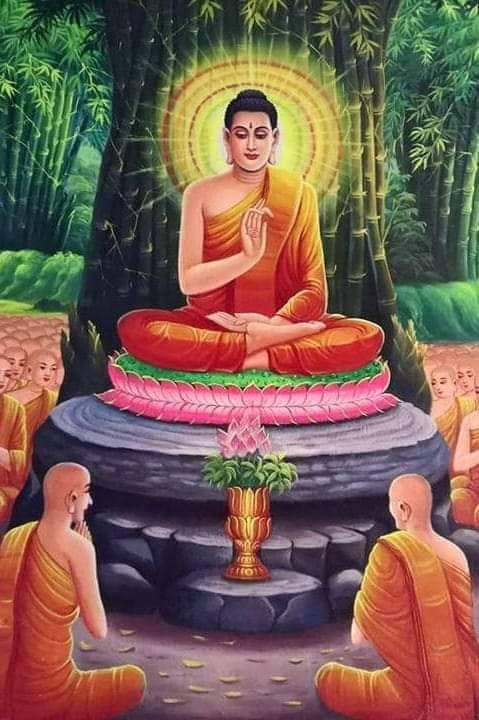
भिक्षु हो ! कागमा दस दुर्गुण हुन्छ । कुन-कुन दस ? (१) त्यो दुस्साहसी हुन्छ । (२) प्रगल्भ ( चतुर/होशियार ) हुन्छ । (३) लोभी हुन्छ । (४) खन्चुवा हुन्छ । (५) लालची हुन्छ । (६) निर्दयी हुन्छ । (७) दुर्बल हुन्छ । (८) निम्न रुचिकर हुन्छ । (९) मुढ-स्मृति हुन्छ र (१०) निच हुन्छ । त्यस्तै प्रकारले भिक्षु हो, पापी भिक्षुमा पनि दस दुर्गुण हुन्छ । कुन-कुन दस ? (१) त्यो दुस्साहसी हुन्छ । (२) प्रगल्भ ( चतुर/होशियार ) हुन्छ । (३) लोभी हुन्छ । (४) खन्चुवा हुन्छ । (५) लालची हुन्छ । (६) निर्दयी हुन्छ । (७) दुर्बल हुन्छ । (८) निम्न रुचिकर हुन्छ । (९) मुढ स्मृति हुन्छ र (१०) निच हुन्छ । भिक्षु हो, पापी भिक्षुमा यी दस दुर्गुण हुन्छ । अंगुत्तरनिकाय । स्रोत:- words of buddha. अनुबाद सुर्य घिसिङ । Kak Sutt. Be a monk! There are ten bad qualities in the paper. Which ten? (1) that is the best. (2) there is a pragalbha (Smart / smart). (3) it will be greedy. (4) it will be khancuvā. (5) it will be greedy. (6) it will be cruel. (7) it will be weak. (8) the following is interesting. (9) there will be a full-memory and (10) it will be bottom. So also the monk is ten evil; even the sinner is ten evil. Which ten? (1) that is the best. (2) there is a pragalbha (Smart / smart). (3) it will be greedy. (4) it will be khancuvā. (5) it will be greedy. (6) it will be cruel. (7) it will be weak. (8) the following is interesting. (9) there will be a memory and (10) it will be bottom. It’s a monk, the sinner monk has these ten bad qualities. Aṅguttaranikāya.
सफलताका लागि पाँच प्रकारको भावना

उपासक योगराज दाहाल , मन्डेला म्यानमार (बर्मा)
” बुद्ध भन्नुहुन्छ – सबै मानिसलाई सफलहुने अवकाश छ ”
यद्यपि सफलताका लागि नियमहरुको पालन गर्नुपर्दछ
हिजो बुद्ध प्रशिक्षित ( 5 ) प्रकारका सफलताका लागि गर्नुपर्ने भावना प्रस्तुत गर्दा मित्रहरुले एक एकको अर्थ पनि प्रस्तुत गर्न आग्रह हुनाले आज संक्षिप्तमानै प्रस्तुत गर्न प्रयास गर्दैछु – आभारी ती मित्रहरु प्रति ।
१ – चीरकाल भावना – कुनैपनि कार्य गर्दा तत्क्षण सफलता प्राप्त हुँदैन । अलि कति समय दिएर त्यो कार्यका लागि प्रयास गर्नु पर्ने हुन्छ । कतिपय मानिस कुनै कार्य आरम्भ गरो अनि भएन भन्दै एकै छिनमा चट्ट छोडेर अर्को पछि लाग्दछन् । त्यसो गर्नाले सफलता हासिल गर्न सरल पर्दैन । अझ बिस्तृतमा भन्नु पर्दा कति सज्जनहरु अतीतमा अभ्यस्त भैसकेको हुनाले त्यो अतितको पारमिताले अलि शीघ्र पारंगत हुन्छन् र सफलता हासिल गर्दछन् त्यस्ता मसिना कुरा पनि बुझेर सफलता चाहनेले आफूले आरम्भ गरेको कार्यमा समय दियेर प्रयास गर्नुपर्दछ । त्यस् परिपार्टिलाई ” चीर काल भावना भनिन्छ ” ।
*********************
२ – निरन्तर भावना – जुनै काममा सफलता पाउन त्यो कार्य सफल नभए सम्म दृढता साथ सधैं त्यो कार्यमा ध्यान दिनुपर्दछ । अन्यथा आज गरो भोलि छाडो अनि पर्सि पुन गरेझैं गरो त्यसरी सफल हुँदैन । कतिपय मानिसहरुको चीरकाल लगन नहुनाको कारण कुनैपनि कार्य जीवनमा सफल नभएको देखिन्छ । कार्यहरु सफल नभए सम्म लागू पर्नुपर्दछ । त्यसैलाई ” निरन्तर भावना भनिन्छ “।
*******************
३ – निरवशेष भावना – यो बिधि निकै महत्वपूर्णछ । निरवशेषको अर्थ कुनै पनि कार्यगर्दा त्यस्को कुनै प्रकारको प्रयासमा र बिधि बिधानमा कमि कमजोरी हुन नदिईकन बिधिपूर्ण रुपले कार्य सुचारु गर्नुपर्दछ । आवश्यक प्रबिधिहरुको पनि आवश्यकता अनुसार प्रयोग गर्नु पर्दछ । यस लाई ” निरवशेष भावना भन्छ ”
****************
४ – सक्कच्च भावना – यो सक्कच्च भावना गौरव धर्म पनि हो । आफ्नु कार्यमा गौरव वा आदरार्थी भाव हुनु पर्दछ । लापरवाहीपन पटक्कै हुनु हुँदैन । लापरवाही भावना राखेर कुनै कार्यमा सफलता हासिल गर्न सम्भव हुँदैन । कार्य प्रति बिनम्रता वा आदरार्थी भावलाईनै ” सक्कच्च भावना भनिएकोहो ” ।
********************
५ – अभिरति भावना – कार्य गर्दा कुनैपनि आरम्भ गरेको कार्यमा अभिरुचि वा हर्ष पूर्ण भावना हुन नितान्त आवश्यक पर्दछ । अभिरुचि नभए सम्म कुनै कार्य गर्न सहज र सरल हुन सक्दैन । एउटा बोझको भान हुन्छ कर्ममा जुन हुनु पर्ने स्फूर्ति हुँदैन र माथि प्रस्तुत भावनाहरु बन्न सक्दैनन् । त्यसैले जीवनमा जुन कार्य गर्नु परेता पनि त्यस्मा हुनु पर्ने प्रफुल्ल भावहो ” अभिरति भावना ” ।
*************
यी पाँच प्रकारका भावनाहरु मानिसले सफलताका लागि अपनाउने भावना हुन् भनी गौतम बुद्ध बडो उपकारी भावनाले सम्पूर्ण मानिसलाई शिक्षा दिनु हुन्छ ।
FOUR TYPES OF DEVOTION
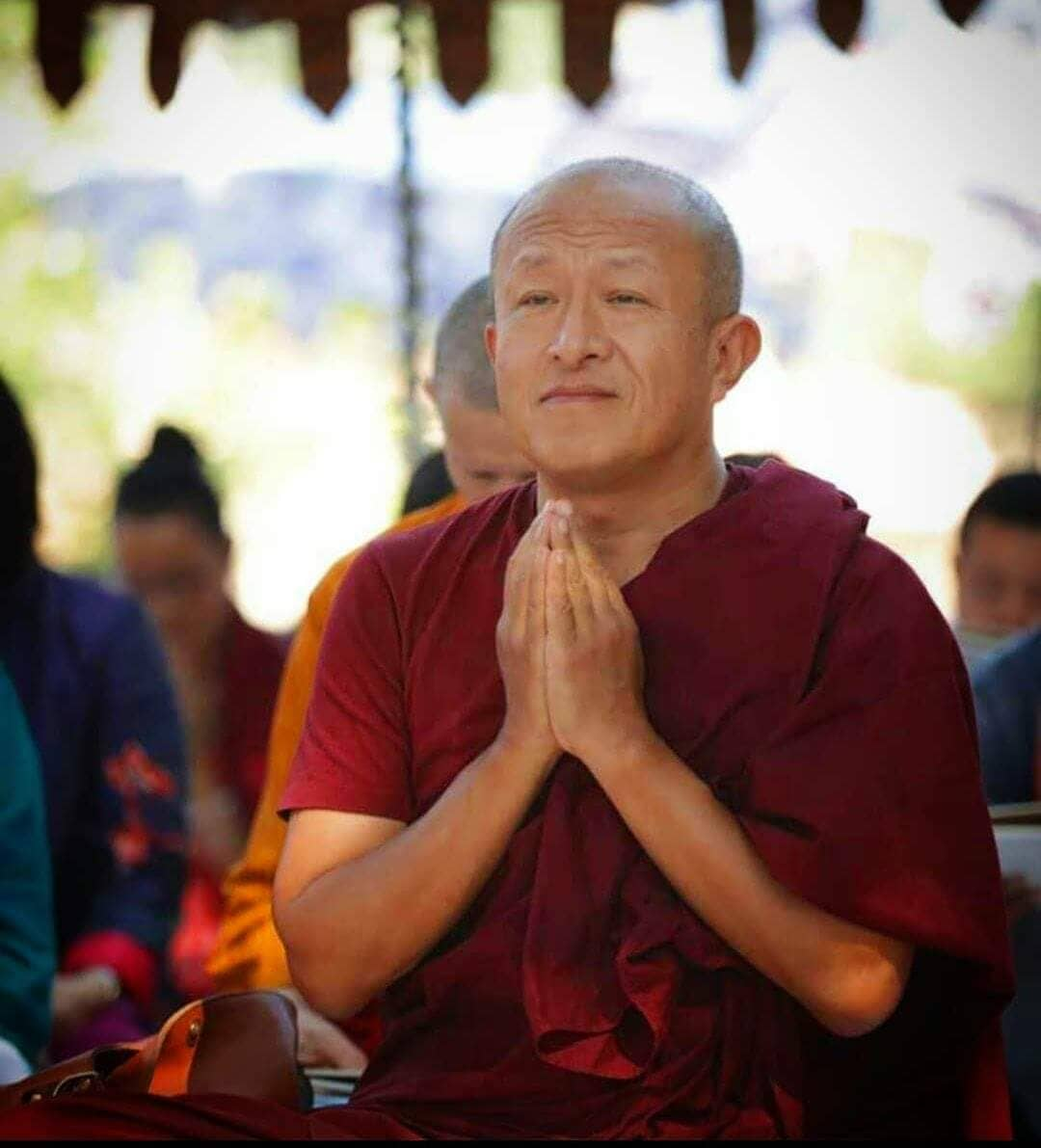

According to Jigme Lingpa, there are four different types of devotion:
(1) Inspiring devotion:
You read and hear the words of the Buddha and they
make sense, and therefore you feel attracted to the Dharma. Ideally this is the kind of devotion you begin with.
(2) Desiring devotion: Like a bee desiring pollen, you have a desire to create certain qualities in yourself—the desire to apply the teachings and attain their result.
(3) Trusting devotion: You begin to see the unsurpassable and nondeceiving quality of the triple gems, and therefore you have confidence in the master and the teaching from the bottom of your heart.
(4) Nonreturning devotion: Once you’re convinced that the thing above you is the sky, nothing will shatter that conviction. Once you have developed a trust in view, meditation, and action through hearing, meditation, and contemplation, you will never see the guru as anything other than the Buddha. You enter onto the path of the Dharma with strong determination and a conviction that you will never turn back. This is what we call “nonreturning devotion.”
~ Dzongsar Jamyang Khyentse Rinpoche.


🌷 आयुष्मान मेघिय की कथा 🌷 Meghiya Sutta: About Meghiya
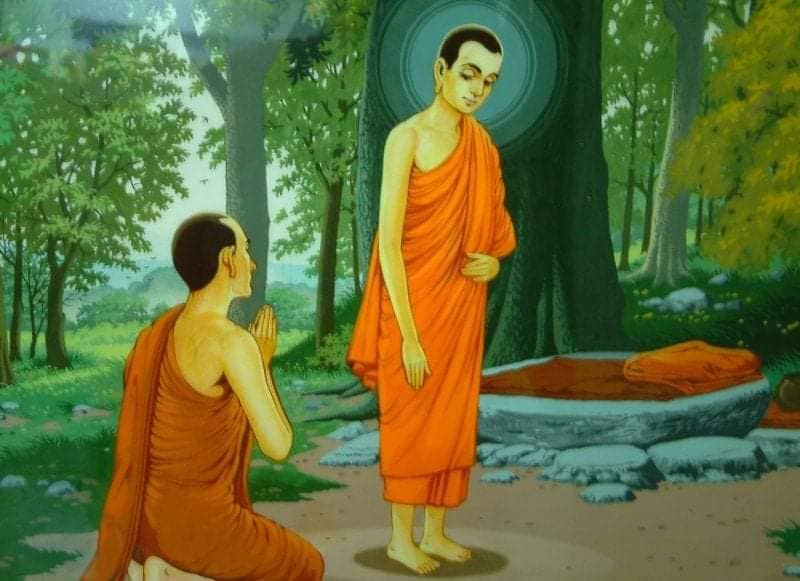
[पाँच बातों और चार धर्मों के अभ्यास का उपदेश ]
एक समय भगवान् चालिका’ नगर में चालिका’ नामक पर्वत पर विहार कर रहे थे। उस समय आयुष्मान् मेघिय भगवान् की सेवा-टहल में लगे थे।
तब, अग्युष्मान् मेघिय, जहाँ भगवान् थे, वहाँ गये, और भगवान् का अभिवादन कर एक ओर खड़े हो गए। एक ओर खड़े हो, आयुष्मान् मेघिय भगवान् से बोले, “भन्ते ! मैं जन्तु गाँव में भिक्षाटन के लिए जाना चाहता हूँ।”
मेधिय ! यदि उचित समझते हो तो जानो।
I have heard that on one occasion the Blessed One was staying among the Cālikans, at Cālikā Mountain. And on that occasion Ven. Meghiya was his attendant. Then Ven. Meghiya went to the Blessed One and, on arrival, having bowed down to him, stood to one side. As he was standing there he said to the Blessed One, “I would like to go into Jantu Village for alms.”
“Then do, Meghiya, what you think it is now time to do.”
तब, आयुष्मान् मेघिय सुबह में, पहन, और पात्र चीवर ले जन्तु गाँव में भिक्षाटन के लिये पैठे। भिक्षाटन से लौट, भोजन कर लेने के बाद, जहाँ किमिकाला नदी का तीर है, वहाँ गए । जाकर किमिकाला नदी के तीर पर इधर उधर घूमते हुए एक सुन्दर और रमणीय आम का बागीचा देखा । देखकर उनके मन में हुआ, “यह आम का बागीचा बड़ा सुन्दर है, बड़ा रमणीय है ! योग साधन करने वाले कुलपुत्र के लिए बड़ा अनुकूल स्थान है। यदि भगवान् मुझे अनुमति दे दें, तो मैं यहाँ आकर योगाभ्यास करूं।”
Then in the early morning, Ven. Meghiya adjusted his under robe and — carrying his bowl & robes — went into Jantu Village for alms. Having gone for alms in Jantu Village, after the meal, returning from his alms round, he went to the bank of the Kimikālā River. As he was walking up & down along the bank of the river to exercise his legs, he saw a pleasing, charming mango grove. Seeing it, the thought occurred to him: “How pleasing & charming this mango grove! It’s enough for a young man of good family intent on exertion to exert himself [in meditation]. If the Blessed One gives me permission, I would like to exert myself [in meditation] in this mango grove.”
तब, आयुष्मान् मेघिय, जहाँ भगवान् थे, वहाँ गए और भगवान् का अभिवादन कर एक ओर बैठ गए । एक ओर बैठे हुए आयुष्मान मेघिय ने भगवान् से कहा, “भन्ते ! सुबह में, पहन, और पात्र चीवर ले, मैं जन्तु गाँव में भिक्षाटन के लिए गया था। भिक्षाटन से लौट, भोजन कर लेने के बाद, जहाँ किमिकाला नदी का तीर है, वहाँ गया। जाकर, किमिकाला नदी के तीर पर इधर उधर घूमते हुए एक सुन्दर और रमणीय आम का बागीचा देखा । देखकर मेरे मन में हुआ, “यह आम का बागीचा बड़ा सुन्दर है, बड़ा रमणीय है ! योग-साधन करने वाले कुलपुत्र के लिए बड़ा अनुकूल स्थान है। यदि भगवान् मुझे अनुमति दे दें, तो मैं यहाँ आकर योगाभ्यास करूँ ।” सो, भन्ते ! यदि भगवान् अनुमति दें तो मैं उस श्राम के बागीचे में जाकर अभ्यास करूँ।
So Ven. Meghiya went to the Blessed One and, on arrival, having bowed down to him, sat to one side. As he was sitting there he said to the Blessed One, “Just now, in the early morning, I adjusted my under robe and — carrying my bowl & robes — went into Jantu Village for alms. Having gone for alms in Jantu Village, after the meal, returning from my alms round, I went to the bank of the Kimikālā River. As I was walking up & down along the bank of the river to exercise my legs, I saw a pleasing, charming mango grove. Seeing it, the thought occurred to me: ‘How pleasing & charming this mango grove! It’s enough for a young man of good family intent on exertion to exert himself [in meditation]. If the Blessed One gives me permission, I would like to exert myself [in meditation] in this mango grove.’ If the Blessed One gives me permission, I would like to go to the mango grove to exert myself [in meditation].” When this was said, the Blessed One responded to Ven. Meghiya, “As long as I am still alone, stay here until another monk comes.” ऐसा कहने पर भगवान ने आयुप्मान् मेघिय को कहा, “मेघिय ! ठहरो, अभी मैं अकेला हूँ, किसी दूसरे भिक्षु को आ लेने दो।” । दूसरी बार भी आयुष्मान् मेघिय ने भगवान् से कहा, “भन्ते ! भगवान् को तो अब और कुछ करना बाकी नहीं रहा, किए हुए का क्षय करना है नहीं। भन्ते ! किन्तु हम लोगों का तो अभी बहुत कुछ करना बाकी है, किये हुए का क्षय करना है। यदि भगवान् मुझे अनुमति दें तो मैं उस आम के बागीचे में जा कर अभ्यास करूँ।” दूसरी बार भी, भगवान् ने आयुष्मान् मेघिय को कहा, “मेघिय ! ठहरो, अभी मैं अकेला हूँ, किसी दूसरे भिक्षु को आ लेने दो।” तीसरी बार भी, आयुष्मान् मेघिय ने भगवान् से कहा, “भन्ते ! भगवान् को तो अब और कुछ करना बाकी नहीं रहा • यदि भगवान् मुझे अनुमति दें तो मैं उस आम के बागीचे में जाकर अभ्यास करूँ।” A second time, Ven. Meghiya said to the Blessed One, “Lord, the Blessed One has nothing further to do, and nothing further to add to what he has done. I, however, have something further to do, and something further to add to what I have done. If the Blessed One gives me permission, I would like to go to the mango grove to exert myself [in meditation].” A second time, the Blessed One responded to Ven. Meghiya, “As long as I am still alone, stay here until another monk comes.” A third time, Ven. Meghiya said to the Blessed One, “Lord, the Blessed One has nothing further to do, and nothing further to add to what he has done. I, however, have something further to do, and something further to add to what I have done. If the Blessed One gives me permission, I would like to go to the mango grove to exert myself [in meditation].” “As you are talking about exertion, Meghiya, what can we say? Do what you think it is now time to do.” मेघिय ! जो तू अभ्यास करना चाहता है तो, मैं क्या कह सकता हूँ ? यदि उचित समझते हो तो जाओ। तब, आयुष्मान मेघिय आसन से उठ भगवान् को प्रणाम और प्रदक्षिणा कर, जहां वह आम का बागीचा था,वहां गए। आम के बागीचे में पैठ, एक वृक्ष के नीचे दिन के विहार के लिए बैठ गए। वहां विहार करते हुए आयुष्मान् मेघिय के मन में तीन पाप-वितर्क उठने लगे, जैसे (1) कामवितर्क, (2) व्यापाद वितर्क और (3) विहिंसा वितर्क । ‘ तब, आयुप्मान् मेघिय के मन में हुआ, “बड़ा आश्चर्य है, बड़ा अद्भुत है ! मैं श्रद्धापूर्वक घर से बेघर हो प्रव्रजित हुआ हूं, सो ये तीन पाप-वितर्क मेरे चित्त में उठ रहे हैं, जो (1) काम-वितर्क, (2) व्यापादवितर्क और (3) विहिंसा वितर्क।
Then Ven. Meghiya, rising from his seat, bowing down to the Blessed One and, circling him to the right, went to the mango grove. On arrival, having gone deep into the grove, he sat down at the root of a certain tree for the day’s abiding. Now while Ven. Meghiya was staying in the mango grove, he was for the most part assailed by three kinds of unskillful thoughts: thoughts of sensuality, thoughts of ill will, and thoughts of doing harm. The thought occurred to him: “How amazing! How astounding! Even though it was through faith that I went forth from home to the homeless life, still I am overpowered by these three kinds of unskillful thoughts: thoughts of sensuality, thoughts of ill will, and thoughts of doing harm.” तब, आयुष्मान् मेघिय सांझ को समाधि से उठ, जहां भगवान् थे वहां गए और भगवान् का अभिवादन कर, एक ओर बैठ गए। एक ओर बैठे हुए आयुष्मान मेघिय ने भगवान् से कहा, “भन्ते ! उस ग्राम के बागीचे में विहार करते समय मेरे चित्त में तीन पाप वितर्क उठने लगे। इस पर, मेरे मन में हुआ, “बड़ा आश्चर्य है, बड़ा अद्भुत है ! मैं श्रद्धापूर्वक घर से बेघर हो प्रबजित हुआ हूं, सो ये तीन पाप-वितर्क मेरे चित्त में उठ रहे हैं। – Emerging from his seclusion in the late afternoon, he went to the Blessed One and, on arrival, having bowed down to him, sat to one side. As he was sitting there he said to the Blessed One, “Just now, while I was staying in the mango grove, I was for the most part assailed by three kinds of unskillful thoughts: thoughts of sensuality, thoughts of ill will, and thoughts of doing harm. The thought occurred to me: ‘How amazing! How astounding! Even though it was through faith that I went forth from home to the homeless life, still I am overpowered by these three kinds of unskillful thoughts: thoughts of sensuality, thoughts of ill will, and thoughts of doing harm.'” मेघिय ! जिनका चित्त अभी वैराग्य में पूरा नहीं जमा है, उन्हें पांच बातों का पूरा अभ्यास करना चाहिए– ” 1. मेघिय ! भिक्षु कल्याण-मित्रों के साथ रहता है, और सदा धर्मसम्बन्धी बातें ही करता है : जिनका चित्त अभी वैराग्य में पूरा नहीं जमा है उन्हें इस पहली बात का अभ्यास करना चाहिए। .. . 2. मेघिय ! फिर, भिक्षु शीलवान होता है। प्रातिमोक्ष के संयमों का पालन करते हुये विहार करता है; सदाचारी होता है; छोटे से दोष से… भी डरता रहता है; शिक्षापदों के अनुसार आचरण करता है । जिनका चित्त अभी वैराग्य में पूरा नहीं जमा है, उन्हें इस दूसरी बात का अभ्यास करना चाहिए। “Meghiya, in one whose awareness-release is still immature, five qualities bring it to maturity. Which five? 1. “There is the case where a monk has admirable people as friends, companions, & colleagues. In one whose awareness-release is still immature, this is the first quality that brings it to maturity. 2. “Furthermore, the monk is virtuous. He dwells restrained in accordance with the Pāṭimokkha, consummate in his behavior & range of activity. He trains himself, having undertaken the training rules, seeing danger in the slightest faults. In one whose awareness-release is still immature, this is the second quality that brings it to maturity.
3. मेघिय ! फिर, भिक्षु उन्हीं कथाओ को करता है, जो पापों को नाश करनेवाली, चित्त को शुद्ध करनेवाली, बिलकुल दुःखों का अन्त करने घाली, वैराग्य बढ़ानेवाली, निरोध करनेवाली, परम शान्ति देनेवाली, ज्ञान और बोध पैदा करनेवाली तथा निर्वाण के पास ले जानेवाली होजै से, अल्पेच्छ-कथा, सन्तुष्टि-कथा, प्रविवेक कथा, असंसर्ग-कथा, वीर्यरम्भ. कथा, शील-कथा, समाघी-कथा, प्रज्ञा-कथा, विमुक्ति-कथा, विमुति-ज्ञानदर्शन-कथा । सदा ऐसी ही कथाओं में अपना समय बिताता है । मेघिय ! जिनका चित्त वैराग्य में अभी पूरा नहीं जमा है, उन्हे इस तीसरी बात का अभ्यास करना चाहिए। 3. “Furthermore, he gets to hear at will, easily and without difficulty, talk that is truly sobering and conducive to the opening of awareness, i.e., talk on modesty, contentment, seclusion, non-entanglement, arousing persistence, virtue, concentration, discernment, release, and the knowledge & vision of release. In one whose awareness-release is still immature, this is the third quality that brings it to maturity. 4. मेघिय ! फिर, भिक्षु उत्साह के साथ विहार करता है-पापधर्मों के प्रहाण के लिए, और पुण्य-धर्मों की वृद्धि के लिए । पुण्य-धर्मों के पालन करने में जी जान से लगा रहता है। मेघिय ! जिनका चित्त वैराग्य में अभी पूरा नहीं जमा है, उन्हें इस चौथी बात का अभ्यास करना चाहिये। . 5.-मेघिय ! फिर, भिक्षु प्रज्ञावान होता है । “(सभी संस्कार) उदय और अस्त होते रहते हैं,” इस प्रज्ञा से युक्त होता है, जिससे सभी दुःखों का बिलकुल अन्त हो जाता है । मेघिय ! जिनका चित्त वैराग्य में अभी पूरा नहीं जमा है, उन्हें इस पांचवीं बात का अभ्यास करना चाहिए। 4. “Furthermore, he keeps his persistence aroused for abandoning unskillful [mental] qualities and for taking on skillful qualities. He is steadfast, solid in his effort, not shirking his duties with regard to skillful qualities. In one whose awareness-release is still immature, this is the fourth quality that brings it to maturity. 5. “Furthermore, he is discerning, endowed with the discernment related to arising & passing away — noble, penetrating, leading to the right ending of stress. In one whose awareness-release is still immature, this is the fifth quality that brings it to maturity. मेघिय ! कल्याण मित्रों के साथ रहनेवाले भिक्षु को……. ……. … इन पांच बातों का अभ्यास कर, उनमें प्रतिष्ठित हो, ऊपर के चार धर्मों का अभ्यास करना चाहिए- 1) राग के प्रहाण के लिए अशुभ’. भावना का अभ्यास करना चाहिए; (2) देष के प्रहाण के लिए मैत्री भावना का अभ्यास करना चाहिए; (3) बुरे वितर्कों को नाश करने के लिए ‘अनापान सति” का अभ्यास करना चाहिए; (4) अहं-भाव को नाश करने के लिए ‘संसार की अनित्यता’ की भावना करनी चाहिए। मेघिय ! अनित्य-संज्ञा की भावना करने से अनात्म-भाव का साक्षात्कार हो जाता है। अनात्म भाव का साक्षात्कार हो जाने से, अहं. भाव सर्वथा जाता रहता है-निर्वाण प्राप्त होता है। “Meghiya, in one whose awareness-release is still immature, these are the five qualities that bring it to maturity.
1 “Meghiya, when a monk has admirable people as friends, companions, & colleagues, it is to be expected that he will be virtuous, will dwell restrained in accordance with the Pāṭimokkha, consummate in his behavior & range of activity, and will train himself, having undertaken the training rules, seeing danger in the slightest faults. 2 “When a monk has admirable people as friends & colleagues, it is to be expected that he will get to hear at will, easily and without difficulty, talk that is truly sobering and conducive to the opening of awareness, i.e., talk on modesty, contentment, seclusion, non-entanglement, arousing persistence, virtue, concentration, discernment, release, and the knowledge & vision of release. 3 “When a monk has admirable people as friends, companions, & colleagues, it is to be expected that he will keep his persistence aroused for abandoning unskillful qualities and for taking on skillful qualities — steadfast, solid in his effort, not shirking his duties with regard to skillful qualities. 4 “When a monk has admirable people as friends, companions, & colleagues, it is to be expected that he will be discerning, endowed with the discernment relating to arising & passing away — noble, penetrating, leading to the right ending of stress. 5 “And furthermore, when the monk is established in these five qualities, there are four additional qualities he should develop: He should develop [contemplation of] the unattractive so as to abandon passion. He should develop good will so as to abandon ill will. He should develop mindfulness of in-&-out breathing so as to cut off thinking. He should develop the perception of inconstancy so as to uproot the conceit, ‘I am.’ [1] For a monk perceiving inconstancy, the perception of not-self is made steady. One perceiving not-self attains the uprooting of the conceit, ‘I am’ — unbinding right in the here-&-now.” इसे जान, उस समय भगवान् के मुँह से उदान के ये शब्द निकल पड़े— Then, on realizing the significance of that, the Blessed One on that occasion exclaimed: “मन में अनेक क्षुद्र और सूर्चम वितर्क उठते रहते हैं, इन वितर्कों को न जान, लोक-परलोक में भ्रन्ति-चित्त हो भटकता है। इन वितर्कों को जान, आत्मसंयम कर स्मृतिमान होता है। बुद्ध मन में उठने वाले वितर्कों को बिलकुल छोड़ देते हैं” ॥१॥ Little thoughts, subtle thoughts, when followed, stir up the heart. Not comprehending the thoughts of the heart, one runs here & there, the mind out of control. But comprehending the thoughts of the heart, one who is ardent, mindful, restrains them. When, followed, they stir up the heart, one awakened lets them go without trace. *1 चालिका’ – नगर और पर्वत का ऐसा नाम क्यों पड़ा इसके लिये देखो अट्ठकथा। *2 देखो दीघनिकाय-महासतिपटान सुत्त
1 “Meghiya, when a monk has admirable people as friends, companions, & colleagues, it is to be expected that he will be virtuous, will dwell restrained in accordance with the Pāṭimokkha, consummate in his behavior & range of activity, and will train himself, having undertaken the training rules, seeing danger in the slightest faults. 2 “When a monk has admirable people as friends & colleagues, it is to be expected that he will get to hear at will, easily and without difficulty, talk that is truly sobering and conducive to the opening of awareness, i.e., talk on modesty, contentment, seclusion, non-entanglement, arousing persistence, virtue, concentration, discernment, release, and the knowledge & vision of release. 3 “When a monk has admirable people as friends, companions, & colleagues, it is to be expected that he will keep his persistence aroused for abandoning unskillful qualities and for taking on skillful qualities — steadfast, solid in his effort, not shirking his duties with regard to skillful qualities. 4 “When a monk has admirable people as friends, companions, & colleagues, it is to be expected that he will be discerning, endowed with the discernment relating to arising & passing away — noble, penetrating, leading to the right ending of stress. 5 “And furthermore, when the monk is established in these five qualities, there are four additional qualities he should develop: He should develop [contemplation of] the unattractive so as to abandon passion. He should develop good will so as to abandon ill will. He should develop mindfulness of in-&-out breathing so as to cut off thinking. He should develop the perception of inconstancy so as to uproot the conceit, ‘I am.’ [1] For a monk perceiving inconstancy, the perception of not-self is made steady. One perceiving not-self attains the uprooting of the conceit, ‘I am’ — unbinding right in the here-&-now.” इसे जान, उस समय भगवान् के मुँह से उदान के ये शब्द निकल पड़े— Then, on realizing the significance of that, the Blessed One on that occasion exclaimed: “मन में अनेक क्षुद्र और सूर्चम वितर्क उठते रहते हैं, इन वितर्कों को न जान, लोक-परलोक में भ्रन्ति-चित्त हो भटकता है। इन वितर्कों को जान, आत्मसंयम कर स्मृतिमान होता है। बुद्ध मन में उठने वाले वितर्कों को बिलकुल छोड़ देते हैं” ॥१॥ Little thoughts, subtle thoughts, when followed, stir up the heart. Not comprehending the thoughts of the heart, one runs here & there, the mind out of control. But comprehending the thoughts of the heart, one who is ardent, mindful, restrains them. When, followed, they stir up the heart, one awakened lets them go without trace. *1 चालिका’ – नगर और पर्वत का ऐसा नाम क्यों पड़ा इसके लिये देखो अट्ठकथा। *2 देखो दीघनिकाय-महासतिपटान सुत्त
1 “Meghiya, when a monk has admirable people as friends, companions, & colleagues, it is to be expected that he will be virtuous, will dwell restrained in accordance with the Pāṭimokkha, consummate in his behavior & range of activity, and will train himself, having undertaken the training rules, seeing danger in the slightest faults. 2 “When a monk has admirable people as friends & colleagues, it is to be expected that he will get to hear at will, easily and without difficulty, talk that is truly sobering and conducive to the opening of awareness, i.e., talk on modesty, contentment, seclusion, non-entanglement, arousing persistence, virtue, concentration, discernment, release, and the knowledge & vision of release. 3 “When a monk has admirable people as friends, companions, & colleagues, it is to be expected that he will keep his persistence aroused for abandoning unskillful qualities and for taking on skillful qualities — steadfast, solid in his effort, not shirking his duties with regard to skillful qualities. 4 “When a monk has admirable people as friends, companions, & colleagues, it is to be expected that he will be discerning, endowed with the discernment relating to arising & passing away — noble, penetrating, leading to the right ending of stress. 5 “And furthermore, when the monk is established in these five qualities, there are four additional qualities he should develop: He should develop [contemplation of] the unattractive so as to abandon passion. He should develop good will so as to abandon ill will. He should develop mindfulness of in-&-out breathing so as to cut off thinking. He should develop the perception of inconstancy so as to uproot the conceit, ‘I am.’ [1] For a monk perceiving inconstancy, the perception of not-self is made steady. One perceiving not-self attains the uprooting of the conceit, ‘I am’ — unbinding right in the here-&-now.” इसे जान, उस समय भगवान् के मुँह से उदान के ये शब्द निकल पड़े— Then, on realizing the significance of that, the Blessed One on that occasion exclaimed: “मन में अनेक क्षुद्र और सूर्चम वितर्क उठते रहते हैं, इन वितर्कों को न जान, लोक-परलोक में भ्रन्ति-चित्त हो भटकता है। इन वितर्कों को जान, आत्मसंयम कर स्मृतिमान होता है। बुद्ध मन में उठने वाले वितर्कों को बिलकुल छोड़ देते हैं” ॥१॥ Little thoughts, subtle thoughts, when followed, stir up the heart. Not comprehending the thoughts of the heart, one runs here & there, the mind out of control. But comprehending the thoughts of the heart, one who is ardent, mindful, restrains them. When, followed, they stir up the heart, one awakened lets them go without trace. *1 चालिका’ – नगर और पर्वत का ऐसा नाम क्यों पड़ा इसके लिये देखो अट्ठकथा। *2 देखो दीघनिकाय-महासतिपटान सुत्त
#Buddhist_migants पर #CAB का प्रभाव बांग्लादेश, # चक्कामा_बौद्ध
नागरिक संशोधन विधेयक (CAB) क्या है ??? नागरिकता (संशोधन) विधेयक 2019, जो पाकिस्तान, बांग्लादेश और अफगानिस्तान से गैर-मुस्लिम शरणार्थियों को भारतीय राष्ट्रीयता देना चाहता है। बौद्ध कैसे लाभान्वित नहीं होंगे ?? बांग्लादेश और पाकिस्तान से आए बौद्ध प्रवासियों को जो धार्मिक टकराव का सामना करना पड़ा या भारत के बिगड़ गए पीड़ित बन गए, उन्हें CAB से लाभ नहीं मिला। अधिकांश प्रवासी या दस्तावेजहीन (बौद्ध) पूर्वोत्तर भारत में रहते हैं लेकिन “इस खंड में कुछ भी असम, मेघालय, मिजोरम या त्रिपुरा के आदिवासी क्षेत्रों पर लागू नहीं होगा जैसा कि संविधान की छठी अनुसूची में शामिल है और Inter द इंटर लाइन’ के तहत क्षेत्र ‘। इसलिए उन्हें कैब से लाभ नहीं होगा। क्या बौद्ध प्रवासियों पर CAB का असर होगा? “बड़ा हाँ” कैसे? बौद्ध प्रवासी जो पूर्वोत्तर राज्य में रह रहे हैं, उन्हें शामिल नहीं किया जाएगा और इसलिए उन्हें नागरिकता संशोधन विधेयक (सीएबी) के तहत नागरिकता नहीं मिलेगी। सीएबी के पास होने के बाद, सरकार एनआरसी लाएगी और बौद्ध (प्रवासी) खुद को भारत के नागरिक होने का प्रमाण नहीं दे पाएंगे। NRC का दुरुपयोग बौद्ध, HOW के खिलाफ होगा? जैसा कि हम जानते हैं कि अरुणाचल प्रदेश और मिजोरम सरकार कोर्ट के फैसले को लागू नहीं कर रहे हैं और उन्होंने हमेशा चकमा बौद्ध के अधिकारों को नकार दिया। हालांकि अरुणाचल प्रदेश चकमा बौद्ध NRC से प्रभावित नहीं होंगे क्योंकि उनके पक्ष में दो ऐतिहासिक ऐतिहासिक निर्णय हैं। लेकिन मिजोरम चकमास बौद्ध को सबसे ज्यादा नुकसान होगा। यदि मिज़ो अधिकारी सूची से योग्य मतदाताओं को हटा सकता है। तो हम यह मान सकते हैं कि मिज़ो अधिकारी चकमा बौद्ध के खिलाफ #misuse_NRC विशेष रूप से जो स्वायत्त जिला परिषद से बाहर रहता है, बहुत से लोगों ने दस्तावेजों की जागरूकता की कमी के कारण अपने दस्तावेजों को खो दिया है या अब तक कोई भी दस्तावेज नहीं लगाया है। वे खुद को भारत के नागरिक होने का प्रमाण नहीं दे पाएंगे
🌷 अनासक्ति ही मुक्ति-मार्ग है 🌷 Loka Sutta: (Surveying) the World
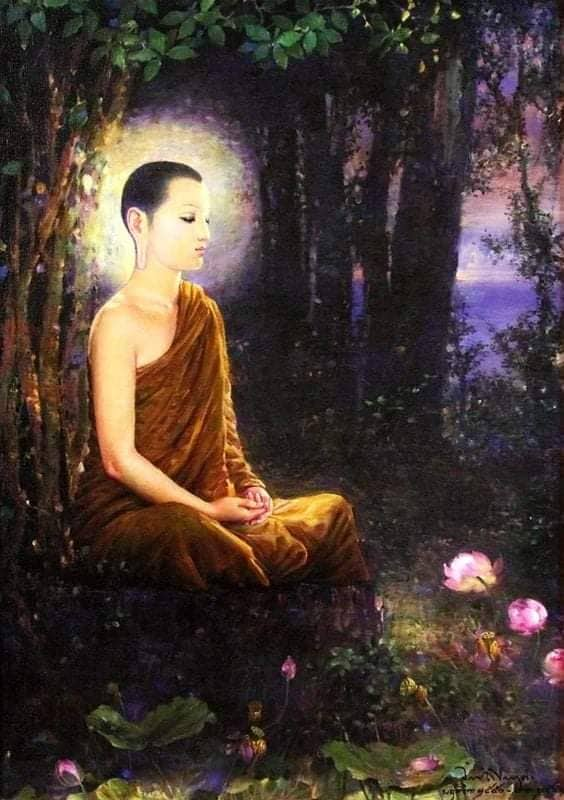
ऐसा मैंने सुना। एक समय भगवान उरुवेला में नेरजरा नदी के तीरपर बोधिवृक्ष के नीचे अभी तुरत ही बुद्धत्व प्राप्त कर विहार कर रहे थे। उस समय भगवान एक ही श्रासन पर बैठे सप्ताह भर विमुक्ति-सुख का अनुभव कर रहे थे। तब, उस सप्ताह के बीतने पर भगवान् ने उस समाधि से उठ, बुद्ध-चक्ष से संसार को देखा। बुद्ध-चक्षु से संसार को देखते हुए भगवान् ने संसार के लोगों को अनेक संतापों से सन्तप्त होते, तथा राग, द्वेष,मोह की आग में जलते देखा।
इसे देख, उस समय भगवान् के मुंह से उदान के ये शब्द निकल पड़े-
I have heard that on one occasion, the Blessed One was staying at Uruvelā on the bank of the Nerañjarā River at the root of the Bodhi tree — the tree of awakening — newly awakened. And on that occasion he sat at the root of the Bodhi tree for seven days in one session, sensitive to the bliss of release. Then, with the passing of seven days, after emerging from that concentration, he surveyed the world with the eye of an Awakened One. As he did so, he saw living beings burning with the many fevers and aflame with the many fires born of passion, aversion, & delusion.
Then, on realizing the significance of that, he on that occasion exclaimed:
“यह संसार संताप और पीड़ा से भरा है.
जो इसे अपनाता है वह दुःख ही दुःख(रोग)पाता है,
जिसे यह ज्ञान हो गया है वह संसार से अनासक्त रहता है,
– उलटा समझनेवाला’ ससार में जन्म ले, यही लगा रहता है।
“जब उस भय को जान लेता है,
जिसे इस दुःख से डर हो जाता है,
तब, वह इस संसार के प्रहाण के लिये
ब्रह्मचर्य पालन करने लगता है।
This world is burning.
Afflicted by contact,
it calls disease a ‘self.’
By whatever means it construes [anything],
it becomes otherwise than that. Becoming otherwise,
the world is attached to becoming
afflicted by becoming and yet delights
in that very becoming.
Where there’s delight, there is fear.
What one fears is stressful.
This holy life is lived
for the abandoning of becoming.
“जो श्रमण या ब्राह्मण संसार के भोगों को भोगकर ही शान्ति पाना बताते हैं, वे सभी संसार से मुक्त नहीं होते-ऐसा मैं कहता हूँ।
“जो श्रमण या ब्राह्मण ऐसा मानते हैं कि मृत्यु के बाद ही संसार छूट जाता है, वे सब संसार में पड़े ही रहते हैं-ऐसा मैं कहता हूँ।
Whatever contemplatives or brahmans say that liberation from becoming is by means of becoming, all of them are not released from becoming, I say.
And whatever contemplatives or brahmans say that escape from becoming is by means of non-becoming, all of them have not escaped from becoming, I say.
“सारी उपाधियों (पंचस्कन्ध) के मिट जाने से हो दुःख नहीं उत्पन्न होते; उपादान के क्षय हो जाने से ही दुःख नहीं होने पाते ।
“इस बड़े संसार को देखो-अविद्या में पड़, संसार से लिप्त हो प्राणी मुक्त होने नहीं पाते।
संसार के सारे पदार्थ अनित्य, दुःख और विपरिणाम-धर्मा हैं”।1०॥
इस तरह, ‘सत्य’ को सच्ची प्रज्ञा से देखते हुए, भवतृष्णा और विभव तृष्णा, दोनों को छोड़ देता है। तृष्णा को सर्वथा क्षय कर बिलकुल वैराग्य वाले निरोध निर्वाण को प्राप्त करता है । निर्वाण पाए भिक्षु का फिर जन्म नहीं होता, क्योंकि उसके उपादान मिट जाते हैं। मार हरा दिया गया, युद्ध जीत लिया गया, संसार से सदा के लिए छूट गया।
For this stress comes into play in dependence on every acquisition. With the ending of every clinging/sustenance, there’s no stress coming into play. Look at this world: Beings, afflicted with thick ignorance, are unreleased from passion for what has come to be. All levels of becoming, anywhere, in any way, are inconstant, stressful, subject to change. Seeing this — as it’s come to be — with right discernment, one abandons craving for becoming, and doesn’t delight in non-becoming. From the total ending of craving comes fading & cessation without remainder: unbinding. For the monk unbound through lack of clinging/sustenance, there’s no further becoming. He has conquered Māra, won the battle, having gone beyond becomings : Such. *1 अन्जथाभावी- अन्यथाभवी, अज्ञानी । *2 भव – संसार में आवागमन
 Passion